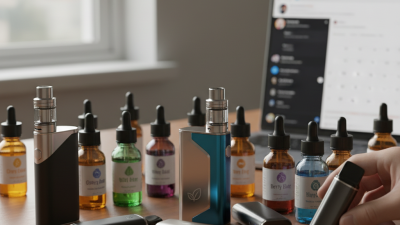
SUMMER LIMITED EDITION VAPES NOW AVAILABLE

Choosing a Vape Pen Without Nicotine can give your brand a clearer, more controlled market position. It may appeal to adult consumers who prefer flavour and ritual without nicotine. Yet the opportunity is not automatically risk-free.
Dr. Konstantinos Farsalinos, a physician and tobacco-harm-reduction researcher, has stated, “Nicotine is not the primary cause of smoking-related diseases.” His comment supports careful product education, not careless health claims. A responsible brand must still explain inhalation risks, ingredients, and intended adult use.
Trust begins with visible evidence. Display accurate ingredient information and batch-testing records. Check hardware quality, heating consistency, and liquid stability. A small printed batch code can matter. So can a clear customer-service channel.
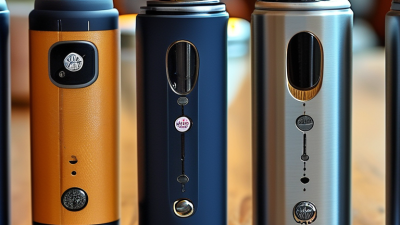
The product should feel dependable in the hand. A matte finish, firm mouthpiece, and readable instructions create practical confidence. Flavour descriptions should remain precise, not exaggerated. Avoid words suggesting treatment, safety, or guaranteed wellness.
The choice is not flawless. Some consumers may misunderstand “nicotine-free” as “harmless.” That misunderstanding requires direct language. Brands should follow applicable age restrictions, packaging rules, advertising standards, and local product requirements. These details may seem unexciting. They protect credibility.
A Vape Pen Without Nicotine can support a thoughtful brand story when transparency leads the design. Experience matters too. Test prototypes with suitable adult users, record their feedback, and improve weak points. The strongest positioning may not promise perfection. It may show careful decisions, honest limitations, and consistent product quality.
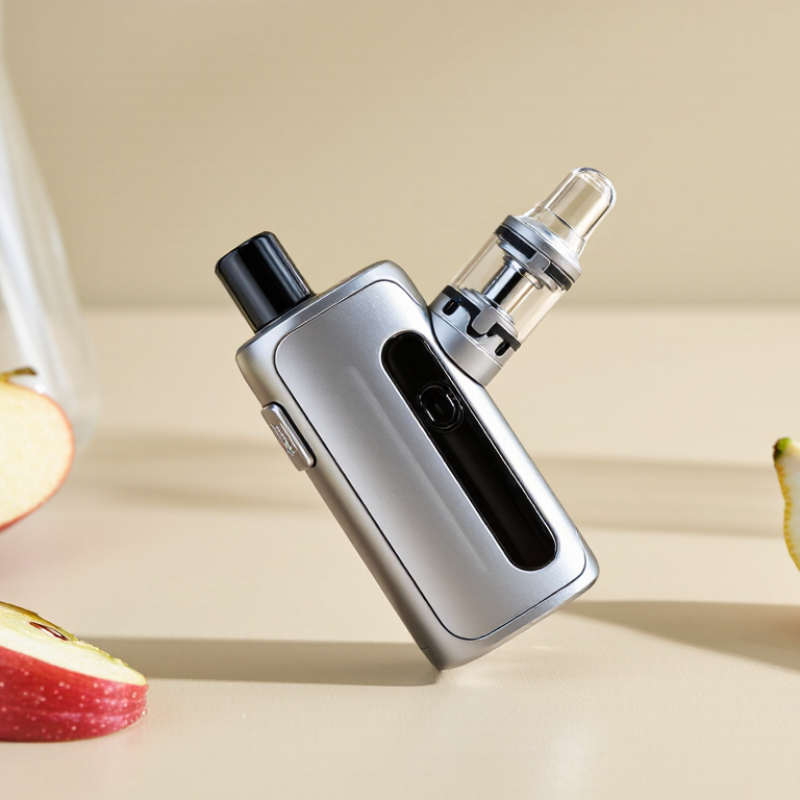
A nicotine-free vape pen is a battery-powered device that heats a liquid without intentionally adding nicotine. The liquid may contain flavoring, a carrier such as propylene glycol or vegetable glycerin, and other disclosed ingredients. It does not burn tobacco. Instead, a small coil warms the liquid and creates an inhalable aerosol. Some devices use a button, while others activate when the user draws.
The process is simple, but quality control is not. A stable battery supports consistent heating, while the coil controls how quickly the liquid becomes aerosol. Excessive heat may create a harsh taste and unwanted breakdown products. For that reason, responsible product development should include ingredient screening, batch testing, leak checks, and clear usage instructions. Independent laboratory reports can strengthen trust, especially when they verify nicotine-free claims.
Nicotine-free does not mean risk-free. Aerosol exposure may still irritate sensitive airways, and individual reactions can vary. The label should state ingredients, warnings, storage guidance, and age restrictions required by local law. “Nicotine-free” also deserves careful wording; manufacturing controls should confirm that nicotine is not intentionally added and that cross-contamination risks are managed. The concept sounds straightforward. The details need honesty.
Nicotine-free vape pens are gaining attention as brands reassess consumer expectations. Grand View Research valued the global e-cigarette market at about $28 billion in 2023. Its forecast also indicates continued growth through 2030. This creates room for carefully positioned, nicotine-free product lines. Some adult consumers may prefer familiar hand-to-mouth use without nicotine dependence. The appeal is practical.
Product transparency matters more than novelty. The National Academies of Sciences, Engineering, and Medicine found that e-cigarette aerosol can contain potentially harmful substances. Nicotine-free does not mean risk-free. A 2023 CDC youth tobacco survey reported that 2.13 million U.S. middle and high school students used e-cigarettes. That figure reinforces the need for strict age controls, clear packaging, and responsible communication. Brands should avoid wellness claims unless strong evidence supports them.
Quality control can strengthen credibility. Independent laboratory testing should verify nicotine content, ingredients, emissions, and batch consistency. This is especially important because testing has found that some products labeled “nicotine-free” may contain trace nicotine. The evidence is not perfect. Consumer expectations are changing faster than research. Brands must keep reviewing toxicology findings, regional requirements, and customer feedback. A transparent product page should explain ingredients, intended adult use, testing dates, and disposal guidance. Trust is built in small details, such as readable labels and consistent lab records.
| Evaluation Dimension | Nicotine-Free Vape Pen Consideration | Why It Matters for Brand Planning | Important Factual Note |
|---|---|---|---|
| Nicotine content | Designed to contain 0 mg/mL nicotine. | Supports product positioning for consumers who want a vaping format without intentionally adding nicotine. | A “nicotine-free” claim should be supported by batch-level laboratory testing because product labeling can be inaccurate. |
| Nicotine dependence messaging | Does not intentionally deliver nicotine, the substance primarily associated with nicotine dependence. | Allows clearer communication for products intended to focus on flavor, aroma, or the hand-to-mouth ritual rather than nicotine delivery. | The absence of nicotine does not make the product risk-free and should not be promoted as a cessation treatment without appropriate authorization. |
| Consumer segmentation | Can be considered for adult consumers who prefer a nicotine-free option. | Creates a distinct product segment without changing the core device format. | Marketing should target adults only and must comply with applicable age, advertising, and packaging requirements. |
| Product experience | The experience is primarily based on aerosol production, flavor, draw resistance, and device performance. | Gives product development teams more emphasis on flavor consistency, vapor output, battery life, and usability. | Flavor and vapor performance depend on formulation, heating temperature, airflow, battery output, and hardware design. |
| Ingredient transparency | Typically formulated with a carrier base, flavoring ingredients, and other permitted components, depending on the product. | Clear ingredient disclosure can strengthen quality communication and support informed purchasing decisions. | An ingredient being permitted for ingestion does not automatically establish that inhalation is safe; inhalation-specific assessment is important. |
| Health-risk communication | Avoids nicotine-specific exposure but still produces an inhaled aerosol. | Encourages responsible messaging that distinguishes “nicotine-free” from “risk-free.” | Vape aerosol may contain potentially harmful substances, and the long-term health effects of vaping remain an area of ongoing research. |
| Compliance requirements | May still be subject to product standards, notification rules, labeling requirements, taxes, or sales restrictions. | Early regulatory review reduces the risk of redesigns, delayed launches, or non-compliant claims. | Requirements differ by country, state, and product category; nicotine-free status does not guarantee exemption from regulation. |
| Quality assurance | Requires verification of nicotine content, ingredient identity, contaminants, leakage, battery function, and packaging accuracy. | Consistent testing helps protect product reliability and supports substantiated marketing claims. | Independent laboratory analysis and documented quality-control procedures are preferable to relying only on supplier declarations. |
| Packaging and labeling | Can prominently state “0 mg/mL nicotine” only when the claim is accurate and legally permitted. | Precise labeling helps reduce consumer confusion and supports transparent product communication. | Packaging should include required warnings, usage information, ingredient details, disposal instructions, and age restrictions where applicable. |
| Environmental considerations | Disposable and rechargeable formats can create electronic, battery, plastic, and e-liquid waste. | Device format and end-of-life planning can influence sustainability communication and operating costs. | Batteries and electronic components should be disposed of through appropriate waste or recycling channels rather than regular household waste. |
Choosing e-liquids, devices, and materials requires more than attractive packaging. For lawful adult markets, a nicotine-free formula should use clearly documented ingredients and consistent batch records. A simple base may contain vegetable glycerin, propylene glycol, and approved flavorings. Each ingredient needs supplier verification, purity information, and storage guidance. Flavor matters. A sharp citrus note can change after weeks in a warm warehouse. Small samples should be tested at different temperatures before production.
The device must match the liquid’s viscosity and intended use. A narrow airflow can produce a warmer draw, while a wider opening may reduce throat irritation. That balance is easy to overlook. Ceramic or stainless-steel components can support clean contact with the liquid, but seals and adhesives also need scrutiny. Check for leakage, battery protection, charging stability, and child-resistant packaging where required. Run repeated drop, heat, and shelf-life tests. Real products face rough handling.
Details build trust.
A practical mistake is choosing a device before confirming the e-liquid’s behavior. That can create weak vapor, flooding, or inconsistent flavor. Independent laboratory testing can verify nicotine-free claims and screen for unwanted contaminants. Records should remain traceable from raw materials to finished units. Specifications may need revision after testing. That is not failure; it is responsible product development. Clear instructions should explain storage, charging, disposal, and age restrictions without making unsupported wellness claims.
Designing a distinct brand experience without nicotine starts with a clear product purpose.
A nicotine-free vape pen should not imitate a medical solution or promise harmless use. It should offer a carefully considered sensory experience for legal-age adult consumers, where regulations permit. Transparent labeling matters from the first interaction.
In practice, the details shape perception. A balanced pen should feel stable in the hand, with a clean finish and a discreet indicator light. Packaging can use calm colors, readable instructions, and measured language. Avoid exaggerated claims. Instead, explain the ingredients, device operation, storage conditions, and disposal process. Independent laboratory testing can support quality decisions, especially for materials, emissions, and consistency.
The experience continues after purchase. A reliable support channel should answer questions about charging, cleaning, and responsible handling. Designs should also discourage accidental use by children. This requires practical safeguards, not decorative promises. Nicotine-free does not mean risk-free, and the product should say so plainly.
There is room for honest reflection. A polished design cannot replace strong testing or responsible communication. Even a well-made device may feel too familiar to some audiences. That concern deserves attention. Brand teams should review user feedback, regulatory updates, and product performance before expanding the range. A distinct identity is built through restraint, evidence, and details that remain credible under scrutiny.
A nicotine-free vape pen may reduce dependence-related concerns, but it is not risk-free. The World Health Organization reports that e-cigarette emissions can contain toxic substances. The National Academies’ 2018 report also identified metals, volatile compounds, and fine particles in aerosol. Product teams should avoid calling these devices harmless. That claim weakens credibility and may create compliance problems.
Testing must verify more than nicotine absence. A 2016 peer-reviewed study in Regulatory Toxicology and Pharmacology reported measurable nicotine in some products labeled nicotine-free. Each production lot should receive independent testing for nicotine, heavy metals, solvents, microbial contamination, and unwanted compounds. Use laboratories operating under ISO/IEC 17025 accreditation where available. Keep certificates of analysis, supplier records, stability data, and batch samples. Emissions testing should also examine the actual aerosol, not only the liquid. This distinction is often missed.
Tips: Start with a clear risk register. Set acceptance limits before production. Recheck formulas after supplier changes. Inspect seals, labels, and child-resistant packaging during every batch review. Do not rely on one test result. No test plan is perfect, and results need regular review against updated scientific evidence and local requirements. A practical quality system records deviations, investigates root causes, and documents corrective actions without hiding uncomfortable findings.