Who Are the Best Road Bicycle Manufacturers in China?
China has become an important source of road cycling products, from complete bikes to frames and components. Yet the “best” manufacturer depends on what a rider needs. A competitive race bike, a dependable endurance model, and a custom frame call for different strengths. Details matter.
This guide looks at how to compare Chinese road bicycle manufacturers using practical, verifiable criteria. These include frame materials, construction methods, product range, quality-control processes, warranty terms, and the clarity of technical information. Riders should also consider fit, component choices, replacement-part access, and the support available after purchase. A polished product page alone is not proof of consistent quality.
Some manufacturers focus on their own brands, while others produce bikes for outside labels. That distinction can affect model selection, branding, and direct access to service, but it does not automatically determine performance. Buyers should review current specifications and ask specific questions about frame sizing, testing, and warranty coverage before ordering. Fit matters.
The manufacturers discussed here are not a universal ranking for every rider or budget. Product lines change, and a strong frame design may still be the wrong choice for a particular rider. This comparison aims to separate useful evidence from broad marketing claims, while recognizing that public information may not reveal every factory process. That limitation deserves attention. A careful shortlist, followed by direct verification with the seller, is a more reliable starting point than choosing by price or appearance alone.
The Development of China's Road Bicycle Manufacturing Industry
China’s road bicycle manufacturing industry has changed alongside its wider industrial base. Earlier production focused heavily on assembly and export orders. Dense supplier networks made frames, wheels, drivetrains, and small components easier to source within the country. That proximity shortened production cycles. It also helped factories build practical experience with consistent, high-volume manufacturing.
The work now reaches beyond assembly. Many manufacturers invest in frame engineering, materials testing, and tighter quality checks. Aluminum remains useful for durable, accessible models, while carbon-fiber production demands careful control of layup, curing, and inspection. On a factory floor, small details matter: a clean bonding surface, an accurately aligned dropout, or a repeatable torque reading. These checks shape how a bicycle feels and holds up on the road.
The shift is real, but not complete. Some production still depends on designs and specifications developed elsewhere, and technical capability varies between factories. Domestic demand has also encouraged more attention to fit, comfort, and varied riding conditions. A short test ride may reveal a stiff front end or awkward reach that a spreadsheet misses. Progress is steady, though uneven, and manufacturing reputation must be earned through reliable products over time.
How to Assess Road Bicycle Manufacturers
Assess road bicycle manufacturers by verifiable process, not catalog size or a polished factory tour. The China Bicycle Association’s 2023 industry report recorded 48.83 million bicycles produced nationwide. That figure shows manufacturing scale, not the quality of any single supplier. Ask for factory-level defect records, inspection procedures, and traceability from frame material to finished bicycle. Then check whether the answers match the records.
Request current test reports against ISO 4210, the bicycle safety standard, and confirm that the tested frame and fork match the models offered. Look for documented braking, fatigue, and dimensional checks, with clear sample dates and laboratory details. Numbers matter. So does follow-through. The World Bank’s 2023 Logistics Performance Index placed China 19th among 139 economies; use that as context for shipping readiness, not proof of product quality. A factory audit should include a real production run: observe weld or bonding inspection, torque checks, and how failed parts are logged. I would also ask to see corrective-action records. A clean sample can hide a messy process. Even good suppliers may have gaps, and a buyer’s checklist can miss things. That is why independent testing and repeat sampling matter.
Leading Road Bicycle Manufacturers in China
Leading road bicycle manufacturers in China serve different needs, from complete bicycles to frames and precision components. The best partner depends on the design, target rider, and expected production volume. A large factory may offer broad capacity, but scale alone does not guarantee a refined ride.
Look closely at frame construction, alignment checks, and finishing standards. Ask how workers inspect welds or carbon layups, and how each frame is checked before assembly. Request clear specifications for tubing, fork compatibility, and allowable component changes. A useful supplier can explain these details without relying on vague performance claims. Small things matter: cable routing, clean paint edges, and consistent headset fit.
Factory visits or independent inspections can help verify what a catalog cannot show. Ask for sample bicycles and test them on rough pavement, climbs, and repeated braking. Check whether the saddle position and gearing suit the intended rider. Even careful checks have limits. One sample may not reflect every production batch, and a polished presentation can hide weak communication. Confirm inspection records, delivery timelines, and how defects are handled before placing a large order.
Comparing Manufacturers by Design, Technology, and Production
Comparing Chinese road-bike manufacturers means looking beyond paint and claimed stiffness. Check frame geometry against real use: a low front end may suit racing, while longer stack can reduce strain on weekend rides. Ask for carbon layup details, fork testing, and clear weight figures. Small details matter. Cable ports should sit flush, and bottle cages should not rattle over broken pavement.
The China Bicycle Association’s 2023 industry report recorded 48.83 million bicycles produced in China. This indicates manufacturing scale, not road-bike quality or segment-specific output. A factory’s technology is better judged through documented fatigue tests, dimensional checks, and traceable material batches. ISO 4210 safety requirements offer a useful reference for bicycle testing, but passing a standard does not prove a bike fits every rider. Production consistency deserves equal scrutiny: ask how often frame alignment is checked and how rejected parts are tracked. A glossy sample can impress; a second production unit may tell a less flattering story. Some makers disclose little test data, so buyers should treat broad claims cautiously.
Who Are the Best Road Bicycle Manufacturers in China?
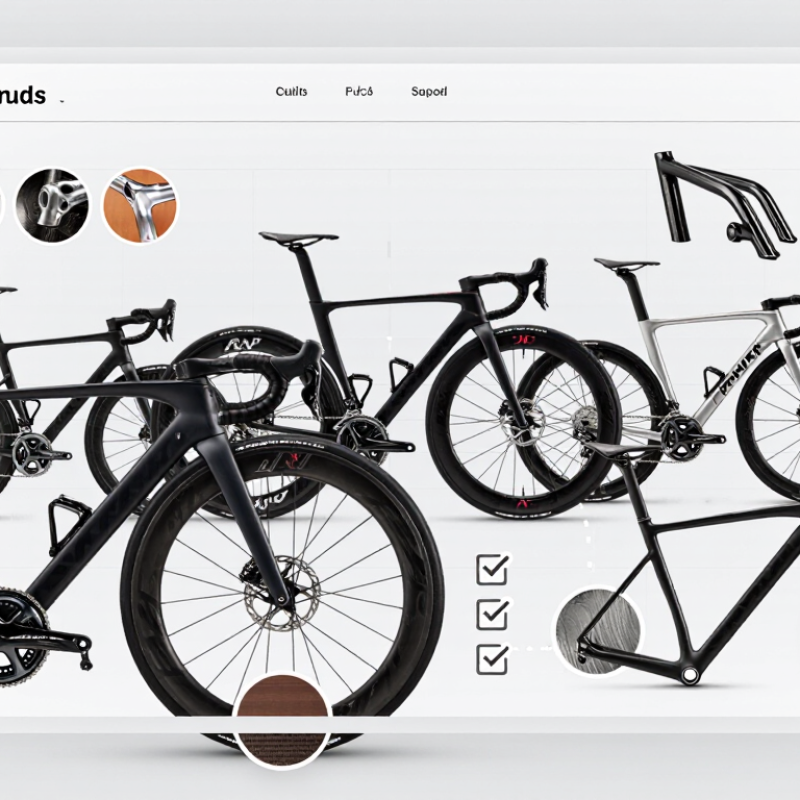
A comparison framework for assessing manufacturers by design, technology, and production. The percentages are suggested evaluation weights, not audited company scores or market statistics.
How to use this chart: Assess design through geometry options and fit; technology through materials, engineering, and testing; and production through quality control, capacity, and delivery reliability. Compare manufacturers using verifiable evidence for each area.
How to Choose a Chinese Road Bicycle Manufacturer
Choosing a Chinese road bicycle manufacturer starts with the bike you need, not a low quote. Define frame material, intended use, size range, and target weight. Ask for a geometry chart and confirm that it matches your riders. Request close-up photos of welds, carbon-fiber surfaces, cable ports, and the bottom bracket area. Small details matter. A polished sample can hide inconsistent production, so ask how often finished frames are inspected and what defects trigger rejection.
Check whether the manufacturer can explain its testing methods, rather than simply claiming its frames are strong. Request written test records, material specifications, and a clear process for handling failed inspections. If possible, inspect a production sample and compare its finish, alignment, and measurements with the drawings. Also discuss minimum order quantities, sample fees, production lead times, packaging, and access to replacement parts. These details affect the real cost of a project. Pay attention to how questions are answered: precise replies and dated documents are more useful than broad promises. No checklist is perfect. A sample may not represent every unit, and timelines can slip. Put agreed specifications in writing, then arrange independent checks before shipment when the order is substantial.