How to Vet Rare Disposable Vape Suppliers for Compliance
Rare Disposable Vape sourcing requires careful review because product names and appearance cannot establish compliance. A supplier may offer polished packaging, fast shipping, and reassuring claims, yet provide little verifiable evidence. That gap matters. Buyers should assess each product against the rules that apply where it will be sold, including age restrictions, product standards, labeling, and permitted marketing. Requirements differ by location and can change, so confirm them with current official guidance or qualified compliance professionals.
Ask suppliers for complete product specifications, ingredient disclosures, manufacturing details, and batch-level traceability records. Request relevant laboratory reports and certificates, then verify their dates, scope, and issuing organizations independently. A document bearing a seal is not proof by itself. Compare its product identifiers with the packaging and the exact model under consideration. Check that labels include required warnings and accurately describe contents. Avoid relying on vague phrases such as “premium quality” or “fully compliant” without supporting records. That is easy to overlook. Review age-verification procedures, complaint handling, and the supplier’s process for addressing recalls or quality concerns. Keep copies of communications and documents, and record unresolved questions before placing an order. If evidence is incomplete, inconsistent, or difficult to authenticate, pause the review rather than treating uncertainty as approval. This process cannot guarantee compliance, but it can expose gaps early and support better-informed purchasing decisions. A second review may be useful; assumptions sometimes survive the first one.
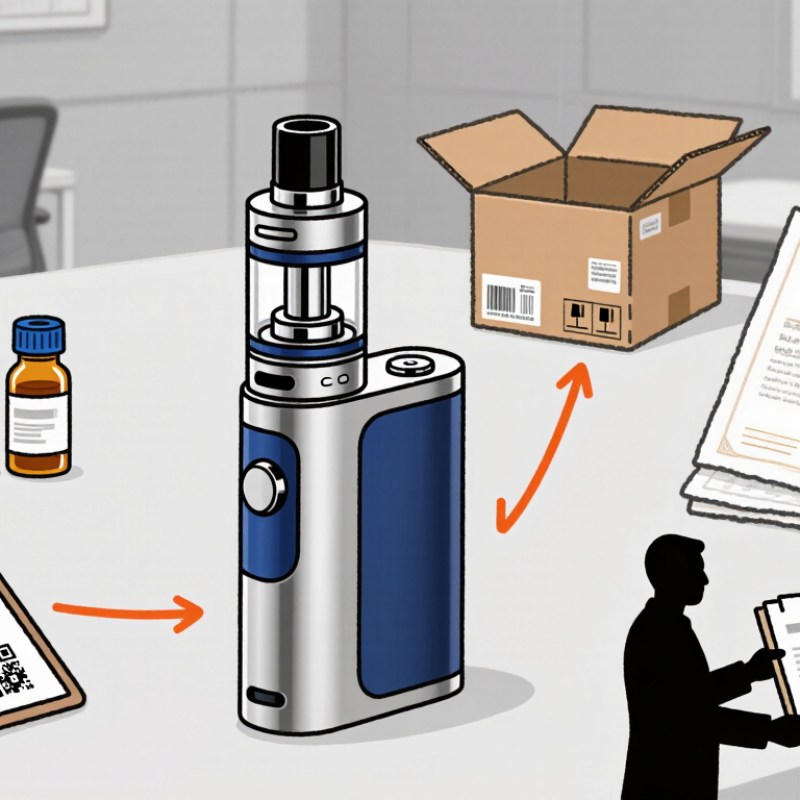
Define Rare Disposable Vapes and Identify Applicable Regulations
“Rare disposable vape” is a market description, not a legal category.
It may refer to an uncommon device format, limited distribution, or a specialized battery and liquid configuration. Rarity does not reduce compliance duties. Regulators usually assess the product’s ingredients, nicotine content, device design, labeling, and sales claims.
Rules depend on where the product will be sold. In the United States, check the FDA’s current authorized e-cigarette list; its 2024 public materials reported 34 authorized products and devices. That figure is a snapshot, not approval for every similar device. The CDC’s 2024 National Youth Tobacco Survey estimated 1.63 million middle and high school students currently used e-cigarettes, underscoring why age controls and responsible marketing matter. Verify local product, packaging, tax, and import requirements with official sources. A supplier’s certificate alone may not establish that a particular model is compliant. Details matter.
Tips: Request the exact model number, ingredient records, test reports, and dated authorization evidence. Match documents to the physical device and destination market. Keep samples and written records. If a specification changes, review the file again. Be cautious: paperwork can look complete while describing a different product.
Verify Supplier Identity, Licenses, and Manufacturing Records
For a niche disposable vape supplier, verify the business before reviewing its catalog.
Match its registered legal name, company number, and operating address against official business records. Confirm that each required license is current, covers the stated activity, and belongs to that same entity. Contact the issuing authority when a document’s status is unclear. A polished PDF proves little. Check the manufacturing site separately; a trading office is not a factory.
Ask for dated production records, not a generic quality statement.
Select a recent lot and trace its component receipts, assembly checks, inspection results, and shipment documents. Confirm that equipment calibration and corrective-action records are available, with sensitive details appropriately protected. MHI’s 2024 Annual Industry Report found that 55% of surveyed supply-chain leaders planned to increase technology investment. The report covers supply chains broadly, not vape suppliers, but it underscores the value of reliable digital traceability. Paper can still look convincing.
Record mismatches and ask for dated explanations.
A missing link between a lot number and its inspection record deserves follow-up, not assumption. Document who verified each item, when, and with which source. Even careful checks have limits; records can be incomplete, and verification should be repeated when ownership, site, or license details change.
Review Product Testing, Ingredients, and Safety Documentation
For a rare disposable model, request a certificate of analysis tied to the exact production batch, not a generic sample. Check the laboratory’s ISO/IEC 17025 accreditation and confirm the report names its test methods, dates, and detection limits. Ask for results on nicotine content, metals, and aerosol contaminants, where applicable. Match the batch number on the report to the device packaging and supplier invoice. A polished PDF is not proof. Call the lab using independently verified contact details, and ask whether it issued the report.
Review the complete ingredient list, including solvents, flavoring substances, and any cooling agents. Require safety data sheets and written change-control records; a revised formula should trigger updated testing. For the battery, request relevant transport and electrical-safety documentation, then check that model numbers match. Details matter. CDC and FDA’s 2024 National Youth Tobacco Survey recorded 1.63 million U.S. students reporting current e-cigarette use, underscoring why suppliers should document age-control and responsible distribution procedures. Keep dated copies of every record.
One gap is easy to overlook: a test report may cover a prototype, not the units you receive.
Check Packaging, Labeling, and Market-Specific Requirements
A supplier’s polished sample is only a starting point. Check the actual carton and device for consistent product names, model numbers, batch codes, and manufacturer details. The information should match across the package, instruction sheet, and compliance documents. Small mismatches matter.
Read every label closely. Verify that required warnings, ingredient details, nicotine information, and disposal instructions are present for the intended market. Check font size, contrast, placement, and the language used; a warning hidden beneath a flap may not meet local expectations. Requirements differ by destination, so confirm them with current guidance from the relevant authority or a qualified compliance professional. Do not assume one label works everywhere.
Ask suppliers for dated test reports and certificates that identify the exact product variant, not merely a similar model. Compare those records with the batch code on a physical sample. Check whether packaging changes trigger updated documentation. Keep copies of correspondence and record who reviewed each item. This can feel fussy. It is useful. A missing document does not prove a product is unsafe, but it is a reason to pause and ask specific questions before placing an order.
Record Due Diligence and Monitor Ongoing Supplier Compliance
When vetting rare disposable vape suppliers, treat every claim as something to verify. Request current business registration, product specifications, safety test reports, and quality-control procedures. Check that documents identify the same company and product version. Dates matter. So does traceability.
Keep a dated due-diligence file for each supplier. Save emails, certificates, sample inspection notes, and decisions about unresolved gaps. Record who reviewed each item and when it expires. For incoming batches, compare packaging, identifiers, and specifications with approved records. If a document changes, ask why and request supporting evidence. It is easy to mistake a complete-looking folder for strong evidence; a missing version number can undermine the whole review. Correct gaps rather than quietly overlooking them.
Tips: Set a review calendar and revisit documents regularly, especially after ownership, production, or product changes. Track complaints, delivery inconsistencies, and inspection results. Pause new orders when evidence is unclear, then record the follow-up and outcome. Keep notes factual and secure. A brief record today may explain a difficult decision months later.
How to Vet Rare Disposable Vape Suppliers for Compliance
Record due diligence and monitor ongoing supplier compliance. This chart shows a U.S. federal labeling requirement that can be checked during supplier onboarding and periodic product reviews.
How to use this benchmark: For covered tobacco product packaging, the required nicotine warning must occupy at least 30% of each of the two principal display panels. Verify packaging artwork and retain dated evidence in your supplier file. Also confirm applicable FDA marketing authorization and age-restricted sales controls; the federal minimum sales age for tobacco products is 21.
Sources: U.S. Food and Drug Administration, 21 CFR § 1143.3 and FDA Tobacco 21. Requirements may vary by product and jurisdiction; verify current rules before purchase.