SUMMER LIMITED EDITION VAPES NOW AVAILABLE

What Are the Top Water Tank Electric Brush Types?

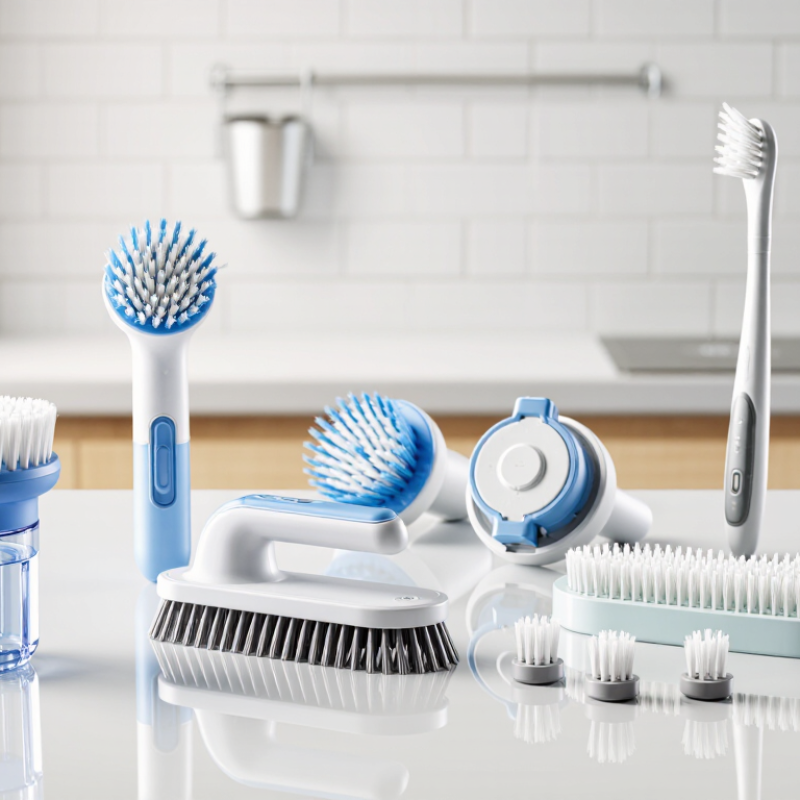
A Water Tank Electric Brush combines powered scrubbing with a built-in supply of water, helping users clean without repeatedly dipping a brush. Yet the name covers several designs. Some use compact round heads for grout lines and curved surfaces; others use flat, wider heads for tiles, glass, or broad panels. There are also angled and narrow-head models made to reach corners, edges, and spaces around fixtures. Small differences matter.

This guide compares the main brush types by head shape, bristle stiffness, water delivery, and intended surface. A rotating head may help with stubborn marks, while a softer fixed head can suit more delicate finishes. Tank capacity and flow controls affect how often you refill and how much water reaches the surface. Check the product manual and surface-care guidance before choosing; a brush that works well on tile may scratch a coated panel. Fit matters too. A bulky head can miss tight corners.

The most useful choice depends on the cleaning job, not just motor power or appearance. Look for clear details about compatible surfaces, replacement heads, charging, and cleaning the water tank after use. These checks make comparisons more reliable, although product descriptions can leave important details unclear. That is worth questioning. The sections ahead explain common brush types, their practical strengths, and the trade-offs to consider before buying.
What Are the Top Water Tank Electric Brush Types?

Understanding Electric Brushes for Water Tank Cleaning

Understanding electric brushes for water tank cleaning starts with the tank surface. A rotating nylon brush suits smooth plastic or coated walls when its bristles are soft enough to avoid scratches. Flat brush heads reach broad panels; angled heads help around corners and outlet fittings. Telescopic shafts keep the motor and operator outside shallow tanks, while flexible shafts can follow curved walls. Fit matters. Check the tank material, opening size, and manufacturer’s cleaning instructions before choosing a head.

Brush choice alone cannot establish water safety. The WHO/UNICEF Joint Monitoring Programme’s 2023 report estimated that 2.2 billion people lacked safely managed drinking water in 2022; that figure describes access, not electric-brush performance. No single brush type suits every tank, and this report does not compare cleaning tools. In practice, use a low-speed setting, steady pressure, and a clean brush head; inspect seams and corners under a bright light. Avoid stiff or abrasive bristles on lined surfaces. A brush can loosen visible deposits, but it cannot verify that the tank is disinfected. That distinction is easy to miss.


Rotary Brushes for Stubborn Tank Deposits

A rotary brush is useful when a water tank has dried sediment, slimy residue, or deposits clinging to corners. Its turning bristles can reach around seams and fittings more easily than a flat hand brush. Choose a head that fits the tank opening and matches its surface. Softer nylon bristles are often a cautious option for coated or plastic interiors. Avoid aggressive wire heads unless the tank’s care instructions specifically allow them. Start slowly. Let the bristles do the work, using light, steady pressure rather than forcing the tool against the wall.

Preparation matters. Drain and isolate the tank according to its operating instructions, then remove loose grit before brushing. Otherwise, particles can scratch the surface. Watch the water as you work; cloudy plumes and flakes can reveal where deposits are loosening. Stop if the finish begins to scuff or lift. Not every hard deposit is ordinary dirt. Mineral scale may need a compatible cleaning method, and corrosion will not be repaired by brushing. That distinction is easy to miss. Rinse away loosened material, inspect seams and fittings, and follow the tank’s cleaning guidance before returning it to service. A rotary brush helps with stubborn buildup, but too much pressure can create a new problem.
What Are the Top Water Tank Electric Brush Types? - Rotary Brushes for Stubborn Tank Deposits
Rotary Brush Type Brush Construction Best Suited Deposits Typical Tank Surfaces Key Considerations
Soft Nylon Rotary Brush Flexible synthetic bristles with a relatively gentle brushing action. Loose sediment, light biofilm, and routine surface cleaning. Many plastic and coated surfaces; confirm compatibility with the tank material. A practical choice for regular maintenance. It may be too gentle for firmly attached mineral scale.
Medium-Stiff Nylon Rotary Brush Denser, firmer nylon bristles that provide more scrubbing action than soft nylon. Stuck-on dirt, moderate deposits, and established surface film. Many uncoated metal and durable plastic surfaces, subject to the tank maker’s care guidance. Use controlled pressure and test an inconspicuous area first, especially on softer or coated surfaces.
Abrasive Nylon Rotary Brush Nylon filaments combined with abrasive particles for more aggressive mechanical cleaning. Tenacious deposits and residue that resist ordinary nylon brushing. Hard, abrasion-resistant surfaces where the tank material and finish permit abrasive cleaning. Can scratch plastic, coatings, or polished surfaces. Check compatibility before use and avoid excessive pressure.
Stainless-Steel Wire Rotary Brush Metal wire filaments that provide an aggressive brushing action. Heavy, firmly bonded deposits on suitable bare metal surfaces. Only compatible, uncoated metal surfaces; generally unsuitable for plastic, glass-lined, or coated tanks. May scratch or damage tank linings and can leave metal particles. Use only when the tank material and cleaning procedure specifically allow it.
Cup or End-Face Rotary Brush Bristles arranged around a cup-shaped head or across the end of a compact brush. Localized deposits and areas that a wider brush head cannot reach easily. Surface-dependent; choose bristle material according to the tank surface. Useful around fittings, corners, and narrow areas, but head shape and tool access must suit the tank geometry.

Selection tip: For stubborn tank deposits, start with the least abrasive brush that can do the job and check the tank material and cleaning instructions before use. Drain and isolate the tank as required by its operating and safety procedures.

Oscillating Brushes for Routine Surface Cleaning

Oscillating brushes suit routine cleaning because their short, repeated strokes loosen soft film without requiring long sweeping passes. A compact head can work around fittings, seams, and the curved floor of a tank. Choose bristles that match the tank lining; overly stiff bristles may scratch coatings, while very soft ones can struggle with dried deposits. Keep strokes even. It is easy to focus on motor speed and miss the contact pressure.

Water quality still sets the goal. The World Health Organization’s Guidelines for Drinking-water Quality say turbidity should ideally remain below 1 NTU to support effective disinfection. That figure is not a measure of brush performance, but it shows why visual cleaning alone cannot verify water safety. AWWA Standard C652-19 covers disinfection of water-storage facilities, so cleaning plans should account for disinfection as well as surface scrubbing. Rinse away loosened material and inspect the tank under good lighting. Still, an oscillating brush is not a magic fix: stubborn scale or damaged lining may need a different method, and the right choice depends on the tank’s material and condition.

What Are the Top Water Tank Electric Brush Types?

A comparison of brush movement styles for routine surface cleaning

The bars count distinct movement modes, not cleaning effectiveness: oscillating brushes move back and forth, rotary brushes turn continuously in one direction, and fixed-bristle brushes have no powered movement. Fixed-bristle brushes are included as a non-powered comparison.

Telescopic Brushes for Reaching Deep Tank Areas

Telescopic brushes help operators reach tank walls, corners, and upper surfaces without stretching across a wet rim. Their adjustable poles are useful when the tank is deep or access is limited. A narrow brush head can work around fittings; a wider head covers flatter sections faster. Look for a locking pole that stays firm under pressure, plus a pivoting head for sloped walls. Reach matters. But a fully extended pole can flex, making careful scrubbing harder than expected. Shorten it when cleaning stubborn deposits.

The WHO/UNICEF Joint Monitoring Programme reported that 2.2 billion people lacked safely managed drinking-water services in 2022. That figure describes a broad access challenge, not the performance of any brush. Still, it underlines why storage hygiene deserves attention. Select bristles and pole materials specified as suitable for potable-water contact, and follow the tank maker’s cleaning guidance. A brush cannot replace inspection or safe work procedures.

Tips: Extend the pole gradually and test its lock before placing the head in the tank. Use light, overlapping strokes, especially near seams and fittings. Rinse the brush after use and let it dry. If the tank requires entry, stop and use trained personnel; reaching farther is not a substitute for safe access.

Matching Brush Types to Tank Materials and Cleaning Needs

A water tank electric brush should match the tank surface, not just the visible dirt. Soft nylon bristles suit plastic, fiberglass, and lined tanks, where a stiff head may scratch or weaken coatings. For light sediment, a compact rotating brush can reach corners without pressing hard. Use gentle pressure. Scratches can trap grime.

Concrete tanks may need firmer nylon bristles to lift settled deposits, but avoid metal heads unless the tank manufacturer permits them. Metal can damage coatings and leave particles behind. A long, narrow brush helps around seams and outlet areas; a wider head covers flat walls faster. For potable-water tanks, choose materials intended for contact with drinking-water systems, and rinse away loosened debris thoroughly. Follow the tank maker’s cleaning instructions, too.

Match the brush to the mess. Slime may need repeated passes, while loose sand often clears with rinsing and light brushing. Before using an electric model, check its instructions for wet-area operation and safe power handling. Never assume waterproof means suitable for every tank. I have seen people push harder when a brush stalls; that can strain the tool and mark a liner. Slow down, inspect the surface, and change the brush head if the bristles feel too stiff.