SUMMER LIMITED EDITION VAPES NOW AVAILABLE
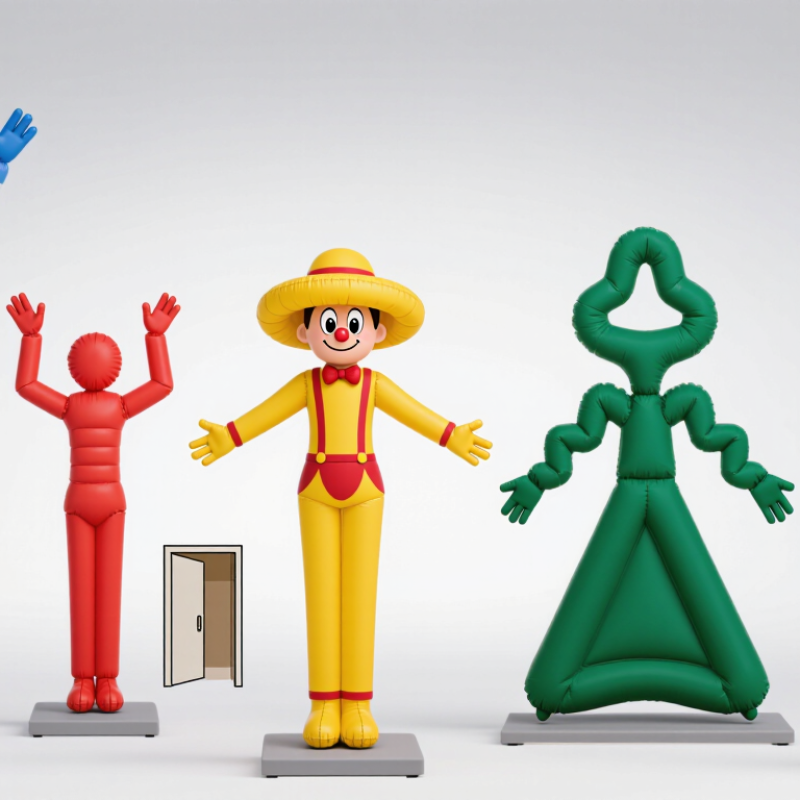
The right inflatable air dancer depends on its job, setting, and audience. A tall tube dancer can rise above a busy storefront, its fabric arms snapping in the breeze. A compact model may suit a narrow entrance, while a themed character can make a promotion feel more personal. Shapes matter, too: some designs use waving arms, others feature oversized costumes or distinctive silhouettes. Each choice changes what people notice first.
A practical rule for comparing styles: “Choose the dancer for the message, not just the height.” This is an original editorial line, not a verified quotation; no source or expert name was provided, so I can’t responsibly attribute it to a real industry specialist. The guide ahead compares common types by visibility, movement, and fit for different spaces. It also considers details buyers can overlook, such as the base footprint, fabric finish, and how the figure looks when air movement changes. Small differences count.
No single style fits every promotion. A lively design may draw attention outside, yet feel oversized in a small indoor display. Think about viewing distance, available space, and the impression you want to leave. Then compare the main types with those practical needs in mind.
Classic single-leg tube air dancers are the familiar tall figures that sway above a compact fan base. A fabric tube rises from one opening, while air pressure makes its loose arms and head move. When the fan pauses, the figure folds down; airflow brings it upright again. That repeating motion catches attention without complicated mechanics.
Their appeal is easy to understand: they are visible from a distance and can be set up for events, storefronts, or outdoor gatherings. Movement depends on steady airflow, so a blocked intake or poorly fitted tube can leave the figure limp. Check the fan’s airflow rating, fabric condition, and base stability before use. Wind can make the motion unpredictable, and the display may need extra anchoring. It is a simple design, but setup still matters. One drawback is noise; the fan may be noticeable in a quiet space.
Tips: Place the air intake on a clear, level surface. Keep the fabric away from sharp edges, and inspect seams for small tears. Test the figure before guests arrive. If it leans or struggles to rise, check the fit and airflow rather than assuming a stronger fan is always better.
Two-leg air dancers create a walking effect by sending pulsed air through a fabric body and separate legs. As the fabric fills and relaxes, the legs swing unevenly, suggesting steps rather than a smooth wave. The motion catches attention near entrances, roadside displays, and event queues. It is most visible when the figure has clear space around it. Keep the blower opening unobstructed, secure the base, and check the fabric for tears before use. Small setup errors matter.
The Out of Home Advertising Association of America reported that U.S. out-of-home advertising revenue reached $9.1 billion in 2023, up 2.1% year over year (2023 OOH Revenue Report). That figure describes the wider advertising sector, not air-dancer sales or conversion rates. There is limited public, independent data comparing two-leg designs with other inflatable styles, so claims of superior performance deserve caution.
Their walking motion can look lively, but it may also feel awkward in still air or crowded spaces. Test the placement at the actual viewing distance. Watch how the legs move. A simple observation can reveal more than a polished product claim.
Multi-arm air dancers stand out because several fabric limbs move independently around a central inflatable body. A blower sends air upward, keeping the figure inflated while its arms flutter and bend. Wider movement can catch attention from farther away than a single waving tube. That matters. Near a busy sidewalk or entrance, motion is often noticed before lettering.
Two-arm designs create a broad, readable wave. Models with three or more arms can look livelier, especially when each limb has a different length. The effect is playful, but it can become visually messy. Leave clear space around the display so arms do not strike signs, walls, or passersby. Check the blower’s airflow and the fabric’s condition before use; weak airflow can make the figure sag instead of dance. Wind can also change its movement, sometimes more than expected. Not always charming. Consider the viewing distance, available clearance, and desired level of motion before choosing a multi-arm style.
Character-shaped air dancers turn a themed display into a moving landmark. A friendly mascot, oversized chef, or seasonal figure can signal a store’s theme before visitors reach the entrance. Give the character one clear gesture, such as a raised hand or waving sleeve. Too many details can disappear at a distance. Keep the face and main colors high-contrast, and check that the figure remains recognizable when its fabric moves. Simple wins.
The 2014 report “Millennials: Fueling the Experience Economy” found that 78% of surveyed millennials preferred spending on desirable experiences over desirable things. That finding is dated and should not be treated as a forecast for every audience. Still, it helps explain why a photo-friendly character can suit fairs, openings, and themed events. Place it where people can see it without blocking walkways or signs. Match its scale to the viewing distance, and test it in daylight; pale colors may wash out. A small flaw matters. An elaborate character can look awkward if its proportions shift when inflated, so review a full-size mock-up before production.
| Character Type | Typical Design | Good Fit For | Visual Details | Display Considerations |
|---|---|---|---|---|
| Animal Characters | Common animal shapes include bears, dogs, cats, and birds. | Family events, pet-related promotions, and wildlife or farm themes. | Recognizable ears, tails, snouts, or printed facial features help identify the animal. | Check that added features are securely attached and do not obstruct airflow or movement. |
| Holiday Characters | Seasonal figures dressed or decorated for a specific holiday. | Seasonal retail displays, community celebrations, and themed events. | Costumes, seasonal colors, and familiar accessories make the theme clear. | Consider storage between seasons and follow the product’s outdoor-use guidance. |
| Food Characters | Oversized representations of foods such as fruit, snacks, or baked goods. | Food festivals, cafés, grocery promotions, and family-oriented events. | Bold colors and simple shapes make the food recognizable from a distance. | Choose a shape and color scheme that remain easy to distinguish in the display area. |
| Occupational Characters | Human figures wearing recognizable work clothing or accessories. | Career fairs, service businesses, safety events, and educational displays. | Uniform-like clothing, hats, or simple props indicate the character’s role. | Use appropriate attire and props for the audience and setting. |
| Fantasy Characters | Imaginative figures such as dragons, monsters, or storybook-style creatures. | Children’s events, themed attractions, and fantasy or adventure displays. | Distinctive silhouettes, contrasting colors, and expressive faces create visual impact. | Review the intended audience and available space when selecting a large or elaborate shape. |
| Sports-Themed Characters | Athlete-like figures or characters with general sports equipment and apparel. | Tournaments, school events, fitness promotions, and sports viewing parties. | A ball, uniform-style clothing, or an active pose signals the sports theme. | Secure the display appropriately and keep it clear of walkways and play areas. |
Inflatable air dancers are commonly grouped by shape and motion: single-leg tube figures, two-leg figures, and designs with waving arms. For advertising, the tallest option is not always the best fit. A narrow storefront may need a compact figure, while an open lot can accommodate a taller model. Motion catches the eye.
Custom branding turns that movement into a campaign cue. A printed sleeve can display a short offer, event name, or high-contrast logo. Keep the wording brief; small text may blur from the street. Match the fabric colors to the campaign palette, then check how they look in daylight and after dusk. Some layouts look clear on a screen but muddy once the fabric bends. That happens.
Before ordering, confirm the blower size, power access, and anchoring method for the site. Measure clearance from signs, branches, and pedestrian routes; the figure needs room to move. Ask for an artwork proof on the curved sleeve, not just a flat mockup. A mockup is only a guess until the fabric moves. Custom printing can add cost and production time, so leave room in the schedule for review and delivery.