SUMMER LIMITED EDITION VAPES NOW AVAILABLE

2026 Top Nicotine Free Vape Juice Suppliers?

Choosing among the 2026 Top Nicotine Free Vape Juice Suppliers requires more than comparing flavor names. A clear label matters. So does a supplier’s willingness to explain ingredients, manufacturing controls, batch consistency, and quality checks. Look for documentation that matches the product in hand, not broad promises on a polished website. A bottle’s printed batch code should connect to useful, verifiable records.

Professor Ann McNeill’s public-health research offers an important caution: vaping is not risk-free, even when a liquid contains no nicotine. That is a careful summary, not a product endorsement. Nicotine Free Vape Juice describes a nicotine-free formulation; it does not establish that inhaling its aerosol is harmless. Responsible suppliers should communicate that distinction plainly and avoid unsupported health claims.

This guide compares suppliers through practical questions: Are ingredients disclosed clearly? Can the company explain its testing and traceability? Are packaging details readable, and does customer support answer specific questions? Small details count. A faint batch number or vague ingredient description can make confidence harder to earn. No shortlist is perfect, and supplier information can change. Treat this comparison as a starting point, verify current product documents directly, and weigh transparent evidence more heavily than attractive branding.
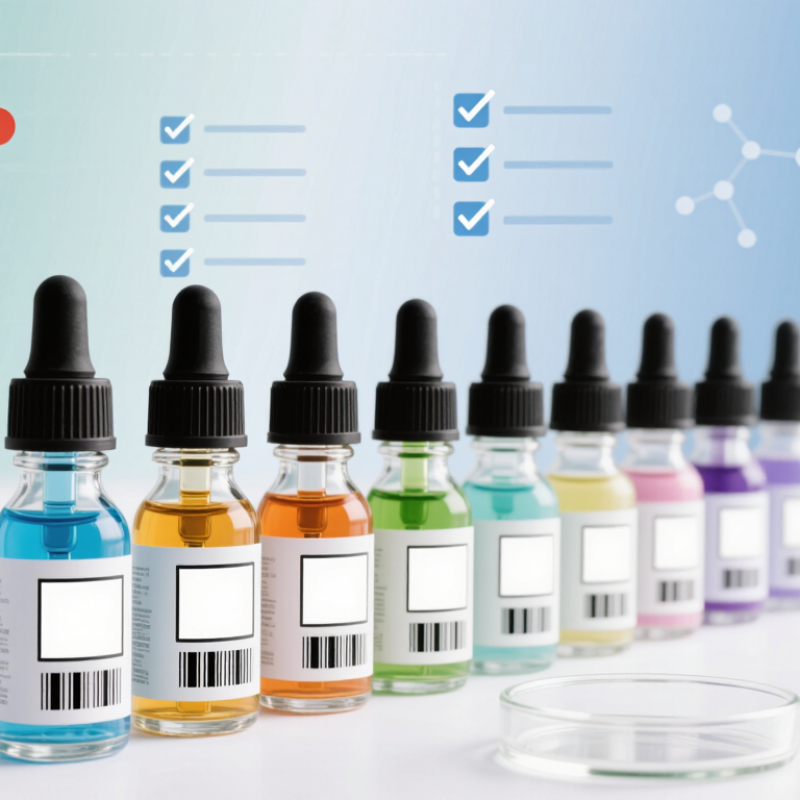
2026 Top Nicotine Free Vape Juice Suppliers?

What Nicotine-Free Vape Juice Is and How It Is Made

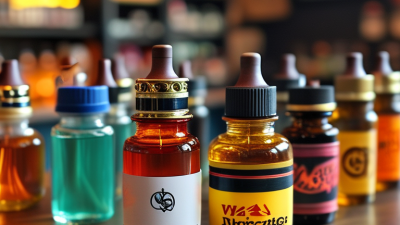
Nicotine-free vape juice is an e-liquid made without added nicotine. It commonly contains propylene glycol, vegetable glycerin, and flavoring ingredients. The two base liquids affect thickness and vapor production: vegetable glycerin is usually thicker, while propylene glycol is thinner. Recipes differ, so a label alone may not explain how a liquid behaves.

Production generally involves measuring ingredients, blending them in controlled amounts, and filling sealed containers. Some manufacturers also test batches for ingredient consistency and verify nicotine claims. Those checks matter. Without reliable testing, “nicotine-free” may describe the recipe rather than confirm every finished bottle contains no detectable nicotine. Manufacturing details can vary, and consumers may not see the full process.

Flavorings deserve particular care. Ingredients suitable for eating are not automatically proven safe to inhale, and vaping can expose the lungs to substances with uncertain effects. The liquid may look clear and smell mild; neither detail establishes its safety. That distinction is easy to overlook. A transparent ingredient list and credible batch information can help clarify what is present, but they cannot make inhalation risk-free. Even the terminology feels simpler than the science.

2026 Top Nicotine-Free Vape Juice Suppliers? What Nicotine-Free Vape Juice Is and How It Is Made

A general comparison of common propylene glycol (PG) and vegetable glycerin (VG) base blends—not a supplier ranking or market-share chart.

Nicotine-free e-liquid is formulated without nicotine and commonly uses PG, VG, and flavorings. The chart shows illustrative PG/VG base ratios; flavoring amounts vary by recipe and are not included. Check product labels and applicable regulations, and note that nicotine-free does not mean risk-free.

How to Evaluate Supplier Quality, Safety, and Compliance

When comparing nicotine-free vape juice suppliers, look beyond a “nicotine-free” label. Ask for a current, batch-specific certificate of analysis from an independent laboratory. Check that the batch number matches the bottle and that the report identifies what was tested. Details matter. A vague or outdated report is not strong evidence of product quality.

Review ingredient specifications, manufacturing controls, and traceability records. A dependable supplier should explain how incoming materials are checked, how batches are recorded, and how quality issues are handled. Ask for safety data sheets and clear storage instructions. Packaging should be sealed, legible, and marked with a lot number and relevant warnings. That is not enough. Documents need to match the actual product, not just look complete.

Check whether the supplier can document compliance with the rules that apply where the product will be sold. Requirements differ by location and may change, so confirm them with qualified regulatory advice rather than relying on broad claims. Do not treat “nicotine-free” as proof that a product is harmless; aerosol ingredients and device use still deserve careful review. Some records may be imperfect. Ask what is missing, why, and when it will be corrected before placing an order.

Leading Nicotine-Free Vape Juice Suppliers in 2026

Leading Nicotine-Free Vape Juice Suppliers in 2026

Choosing a supplier in 2026 takes more than comparing flavors or wholesale prices. Reliable suppliers should provide clear ingredient lists, batch identification, and recent independent laboratory reports. These records help buyers check whether a product’s nicotine-free claim is supported by testing. Ask how the supplier handles quality checks and changes between production batches. Clear answers matter.

Consistency is another useful measure. Request samples from more than one batch, then compare labeling, packaging, and product specifications. Check that shipping containers arrive sealed and that storage guidance is easy to follow. A polished catalog is not proof of dependable quality. Even a detailed report has limits; buyers should confirm what was tested and when. I would still want a second review before making a large order.

Tips: Compare suppliers using the same checklist. Verify test dates and batch numbers. Ask about returns, traceability, and ingredient documentation. Keep records of supplier responses. Small details count. Requirements can vary by market, so confirm applicable product and labeling standards before purchasing.

2026 Top Nicotine Free Vape Juice Suppliers? - Leading Nicotine-Free Vape Juice Suppliers in 2026
Supplier Type Typical Offering Nicotine-Free Verification Documents to Request Key Due-Diligence Checks
Vape-liquid manufacturer Finished e-liquids in multiple flavor profiles and PG/VG ratios; packaging options may vary. Request a batch-specific test report showing the nicotine result, analytical method, and reporting limit. Current product specification, batch certificate of analysis (COA), safety data sheet (SDS), and ingredient information. Confirm the tested batch matches the product and lot offered. Check manufacturing controls, traceability, and destination-market requirements.
Contract or private-label manufacturer Production to a buyer’s formulation or packaging brief; available services depend on the facility. Agree in writing on the nicotine specification and require testing and lot records for each production batch. Formula or ingredient declaration, product specification, batch COA, packaging details, and quality-agreement terms. Clarify formulation ownership, change-control procedures, minimum order quantities, lead times, and responsibility for regulatory review.
Wholesale distributor Resale of products sourced from one or more manufacturers; inventory and regional coverage vary. Obtain the original manufacturer’s batch-level evidence rather than relying only on a distributor’s general product statement. Manufacturer identity, batch and expiry details, COA, SDS, invoice records, and storage or handling information. Verify authorized sourcing, product authenticity, storage conditions, and the distributor’s ability to trace each lot.
Bulk e-liquid ingredient supplier Base liquids or flavoring ingredients supplied for downstream formulation; not necessarily a finished vape product. Check ingredient specifications and test the finished formulation separately; ingredient documentation alone does not establish the finished product’s nicotine status. Ingredient specification, COA, SDS, composition details, and applicable food-contact or other relevant declarations where available. Confirm suitability for the intended application, permitted ingredients in the destination market, and handling requirements.
Custom-formulation service provider Development of a requested flavor, formulation, or PG/VG profile; capabilities and testing arrangements differ. Define “nicotine-free” quantitatively, including the required test method and acceptable reporting limit. Written formulation brief, ingredient disclosure, prototype records, test reports, and production specification. Ask how prototypes are approved, how formula changes are controlled, and whether final production batches are tested independently.
All supplier types Commercial terms and product availability depend on supplier, order size, and destination. Do not treat a “0 mg” label as a substitute for batch-specific analytical evidence. Written quotation, minimum order quantity, lead time, country-of-origin details, and applicable compliance documents. Requirements for e-liquids vary by jurisdiction. Check current local rules for ingredients, labeling, packaging, importation, and sale before purchasing.

Comparing Product Range, Pricing, and Distribution

For 2026 supplier comparisons, product range means more than counting flavors. Check whether a catalog lists clear ingredient details, batch consistency, and formats suitable for different devices. Grand View Research estimated the global e-cigarette and vape market at USD 26.7 billion in 2022, with projected annual growth of 30.6% from 2023 to 2030. That figure covers the wider vape market, not nicotine-free juice alone. A fast-growing market is not proof of reliable supply.

Compare prices by usable volume, not just bottle price. Request current wholesale tiers, minimum order quantities, sample costs, and written terms for damaged or delayed shipments. Then compare like with like: a low unit price may come with a large minimum order or limited flavor options. Small details matter. A sample that tastes consistent across batches is more useful than a glossy catalog, though taste checks alone cannot verify every quality claim.

Distribution deserves equal weight. Ask suppliers for typical dispatch times, stock availability, tracking, and packaging specifications; confirm these in writing before placing a larger order. UNCTAD’s Review of Maritime Transport 2023 reported that global shipping disruptions and rerouting can affect transit times and costs. The report is not specific to vape products, but it offers useful logistics context. One weakness in many comparisons: quoted delivery estimates can look precise while excluding customs or last-mile delays. Build a simple scorecard, and leave room to revise it after a trial order.

How to Choose a Supplier for Your Business Needs

Choosing a nicotine-free vape juice supplier starts with evidence, not a polished catalog. Request an ingredient specification and batch-specific laboratory reports. Check that each report identifies the sample, test date, laboratory, and methods. Ask how the supplier maintains batch records and prevents cross-contact. Details matter. If a document is vague, request clarification before placing an order. Do not assume “nicotine-free” means every market treats the product the same way. Confirm local product, labeling, and import requirements with qualified professionals.

Then assess whether the supplier fits your operations. Compare minimum order quantities, lead times, packaging options, and procedures for damaged or delayed shipments. Request a sample and inspect its packaging, seal, and accompanying paperwork before approving a larger order. A low quote can look persuasive; it is worth checking what it leaves out. Ask how changes to ingredients or production are communicated, and who handles quality complaints. Small checks help. One detail is easy to miss: dependable supply also depends on clear communication when something goes wrong.