SUMMER LIMITED EDITION VAPES NOW AVAILABLE


What Are the Top Legal Liquid Diamond Vape Options?

Choosing among legal Liquid Diamond Vape products requires more than attractive packaging or impressive potency claims. Laws differ by country, state, and even city. A product permitted in one jurisdiction may be restricted elsewhere. Buyers should verify local rules before purchasing, especially age limits, possession limits, approved retailers, and product categories.

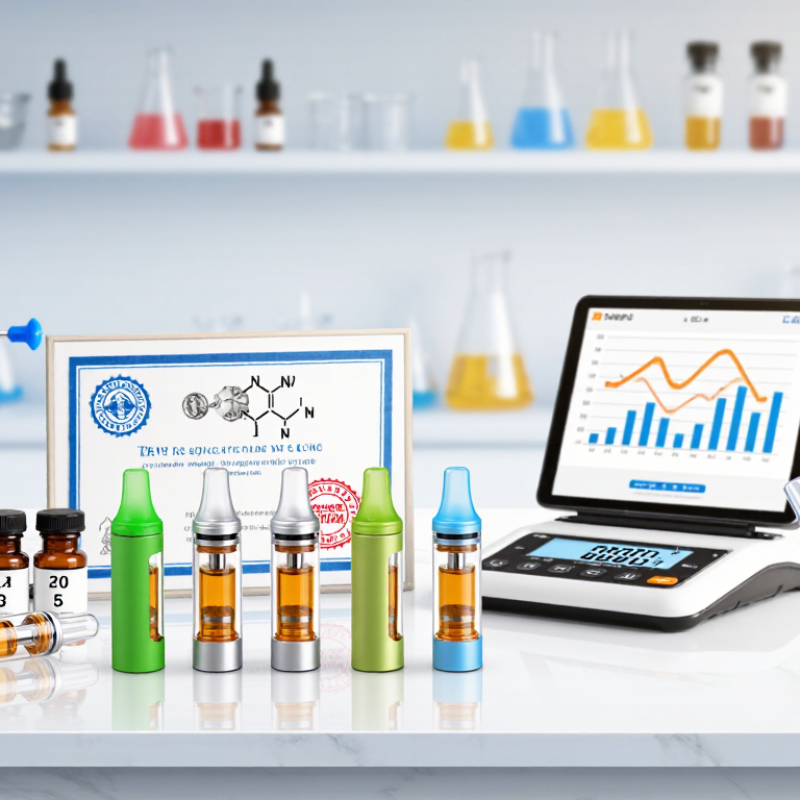
A careful comparison begins with the label. Look for a complete ingredient list, batch number, manufacturer details, and a recent certificate of analysis from an independent laboratory. The report should identify active compounds and screen for pesticides, heavy metals, solvents, microbes, and unexpected additives. Vague phrases such as “premium blend” are not enough. They sound polished. They prove little.

Dr. Peter Grinspoon, a cannabis physician and educator, has written, “Cannabis is not harmless.” That warning applies to vaping decisions, even when a product is legally sold. A responsible Liquid Diamond Vape option should provide clear use information, secure packaging, and realistic safety guidance. It should never promise guaranteed effects or disease treatment.

This guide examines legal products through a practical lens. We consider testing transparency, ingredient disclosure, hardware quality, retailer legitimacy, and regional compliance. Personal experience can reveal flavor, airflow, and leakage, but experience alone cannot verify purity. That is where laboratory evidence matters.

There is room for uncertainty. Some labels remain incomplete. Some certificates are difficult to interpret. Readers should pause, check the source, and avoid assuming that higher concentration means better value. The strongest option is not always the most powerful one. It is the product with the clearest evidence, the safest presentation, and the most accountable seller.
What Are the Top Legal Liquid Diamond Vape Options?

What Are Liquid Diamond Vapes and How Do They Work?

Liquid diamond vapes are products that suspend highly refined crystalline compounds in a vape-compatible liquid. The phrase “liquid diamond” is mainly a marketing term, not a universal scientific standard. Legal versions should contain only permitted, non-controlled ingredients under local regulations. They should not include banned cannabinoids, unsafe additives, or undisclosed stimulants.

When the device activates, a small heating element warms the liquid. The liquid becomes an aerosol, which the user inhales. Temperature matters. Excessive heat can damage flavor compounds and may create unwanted breakdown products. I would not treat a smooth cloud as proof of safety. It only shows that the device is producing aerosol.

A reliable option should show a recent, independent laboratory report. Check the batch number, ingredient list, contaminant screening, and manufacturer contact details. Hardware quality also matters. Ceramic or stainless-steel parts may reduce concerns about unwanted material transfer, but no device removes every risk. Local rules can differ sharply, and some regions prohibit these products entirely. Verify current regulations before purchasing or using one. Even careful testing has limits. A certificate cannot guarantee personal safety, especially for people with respiratory conditions, allergies, or medication concerns.

Which Features Define a High-Quality Liquid Diamond Vape?

A high-quality liquid diamond vape begins with verifiable compliance, not attractive packaging. The product should come from an authorized market and display a traceable batch number. A third-party certificate of analysis should list potency, ingredients, residual solvents, heavy metals, pesticides, and microbial results. The certificate must match the exact batch. Generic laboratory screenshots are weak evidence.

Hardware matters just as much. Look for food-contact-safe materials, stable heating control, leak-resistant seals, and a battery with recognized safety testing. The device should include child-resistant packaging and clear disposal instructions.

The CDC’s 2019 investigation linked vitamin E acetate to serious vaping-related lung injuries, showing why complete ingredient disclosure matters.

The report also exposed a practical weakness: consumers often cannot verify what enters the cartridge.

A reliable product should avoid medical promises and explain storage clearly, such as keeping the cartridge upright and away from heat. The FDA continues to emphasize that authorization and safety are separate questions; regulatory status does not prove zero risk. I would also question unusually high potency claims without matching laboratory evidence.

The 2023 National Youth Tobacco Survey reported that 2.13 million U.S. students currently used e-cigarettes, reinforcing the need for strict age controls and discreet, child-resistant design.

Quality is visible in the paperwork, the hardware, and the restraint behind the claims. But paperwork can still be incomplete.

How Do Laws Affect Liquid Diamond Vape Availability?

Liquid diamond vape availability depends less on the name and more on local law. “Liquid diamond” is usually a marketing phrase, not a universal legal category. Authorities may classify the product by its ingredients, concentration, source, and intended use. A product permitted in one region may be restricted, age-limited, or unavailable elsewhere.

Legal access often requires licensed manufacturing and verified testing. Check the package for an ingredient list, batch number, laboratory report, health warnings, and a legal age statement. Some jurisdictions also require child-resistant packaging and limits on product strength. Online sales can create extra problems. Shipping rules may differ between states, provinces, or countries, even when retail sales are allowed locally.

Retailers should explain their licensing status clearly. Consumers should verify information through official government websites, not only advertisements. Avoid products with vague ingredients, unrealistic effects, or missing test records. Vapor devices may also face separate safety standards, including battery and labeling requirements. The rules can feel inconsistent, and they sometimes change faster than store websites. That is worth remembering. A cautious buyer checks the current local rules before purchasing, confirms the product’s exact contents, and asks a qualified pharmacist or legal professional when uncertainty remains. Availability is therefore shaped by compliance, documentation, and location—not simply popularity.

What Are the Top Legal Liquid Diamond Vape Options? - How Do Laws Affect Liquid Diamond Vape Availability?

Legal Product Route Typical Availability Main Legal Conditions What to Verify Before Purchase Effect on Liquid Diamond Vape Availability
Licensed adult-use THC vape Available in jurisdictions that permit recreational cannabis sales through licensed retailers. Usually restricted to adults aged 21 or older, with local purchase, possession, packaging, advertising, and testing rules. Retailer license, batch number, laboratory results, THC content, ingredient list, warning labels, and manufacturing date. The product may be legal locally, but it remains subject to state or provincial rules and cannot generally be transported across national borders.
Licensed medical THC vape Available in medical-cannabis programs, including jurisdictions without adult-use sales. May require patient registration, a medical authorization, a qualifying condition, and compliance with program-specific possession limits. Medical authorization requirements, approved product categories, testing documentation, and permitted THC limits. Availability can be narrower than in adult-use markets, and the term “liquid diamond” may not appear in official product classifications.
Hemp-derived cannabinoid vape Potentially available where hemp-derived products satisfy federal and local requirements. In the United States, hemp has historically been defined by a delta-9 THC threshold of no more than 0.3% by dry weight, but state laws may be stricter. Full cannabinoid profile, total THC calculation, independent certificate of analysis, prohibited ingredients, and state-specific restrictions. Some products marketed as “liquid diamond” may not contain cannabis-derived THC, but the marketing term does not itself establish legality.
CBD-dominant or non-intoxicating vape More broadly available than high-THC products, subject to local consumer-product and cannabinoid rules. The product must comply with applicable THC limits, labeling requirements, ingredient restrictions, and safety regulations. Verified THC concentration, contaminants testing, vape-hardware safety, and whether the product makes prohibited health claims. It may be marketed with diamond-related terminology, but it should not be assumed to provide the effects or legal status of a high-THC cannabis vape.
Products sold outside a regulated channel May appear through informal sellers, unlicensed websites, social-media listings, or unauthorized retailers. Licensing, testing, age verification, labeling, and product-origin requirements may be absent or unverifiable. Do not rely only on packaging or marketing claims; verify licensing and a traceable laboratory report. Legal status and contents are uncertain, and the product may expose consumers to unlisted cannabinoids, contaminants, or unsafe vape additives.
Interstate or international transport Generally restricted for cannabis products, even when purchase and possession are legal in the place of origin. Federal border rules and the laws of the destination may apply independently of local legalization. Check transport, customs, airline, border, and destination-jurisdiction rules before carrying any cannabinoid vape. A legally purchased liquid diamond vape may still be unlawful to carry across state, provincial, or national borders.

Legal status varies by country, state, province, and product formulation. “Liquid diamond” is a marketing term rather than a universally defined legal product category, so consumers should confirm current local rules and purchase only through authorized channels.

What Are the Main Types of Legal Liquid Diamond Vape Options?

Legal liquid diamond vape options usually fall into three practical types: sealed disposables, prefilled cartridges, and refillable pod systems. Sealed disposables are simple and ready to use. They suit occasional adult users who want minimal setup. Prefilled cartridges offer similar convenience but often require a compatible battery. Refillable pods create more control over liquid choice and vapor strength. They also require careful cleaning and storage.

The phrase “liquid diamond” is not a universal legal category. In some markets, it describes a refined, hemp-derived formulation; in others, the term has no recognized regulatory meaning. Check local rules before purchasing. A reliable product should show a complete ingredient list, batch number, manufacturer details, and recent independent laboratory results. The report should address potency, heavy metals, solvents, pesticides, and microbial contamination. Clear testing matters more than glossy packaging.

From hands-on product checks, hardware quality can change the experience noticeably. A stable device should heat evenly, avoid leaking, and produce no burnt taste. Ceramic heating parts may offer a cleaner flavor, but they are not automatically safer. Avoid products with vague claims, missing age restrictions, or unusually strong promises. I would also question “all-natural” wording when the ingredients are not fully explained. Laws and evidence keep changing. That uncertainty deserves honest attention.

How Can Consumers Compare Safety, Quality, and Value?

When comparing legal liquid diamond vape options, start with local regulations and verified retailers. Legal status varies by country, state, and product category. Check age requirements, packaging rules, and licensing information before purchasing. A reputable seller should provide a batch number, ingredient list, and current laboratory report. The report should identify cannabinoids, potency, pesticides, heavy metals, solvents, and microbial contaminants. “Liquid diamond” is not a universal technical standard. Treat the phrase as marketing until evidence supports it.

Quality also depends on the hardware. Look for sealed, tamper-resistant devices made with tested materials. A clean oil should not contain visible particles, excess moisture, or an unusually harsh odor. Avoid products with vague ingredients or dramatic health promises. I would compare the listed ingredients with the laboratory report, even when the package looks professional. Packaging can be polished and still reveal little.

Value requires more than comparing the shelf price. Calculate the cost per stated milligram, then consider fill volume, battery performance, and return policies. A cheaper device may waste oil through clogging or uneven heating. A more expensive option may offer clearer testing, but transparency does not guarantee perfection. Independent reports can contain gaps, outdated dates, or limited testing panels. Consumers should keep receipts, inspect seals, and stop using a device that leaks, overheats, or causes unusual discomfort. Personal tolerance differs, and product labels are not always as precise as consumers expect.

How Can Consumers Compare Legal Liquid Diamond Vape Options?

This consumer comparison framework gives the greatest weight to independently verified safety evidence, followed by product quality, legal compliance, and value. Consumers should confirm that laboratory results match the batch number, ingredients are clearly disclosed, packaging meets local requirements, and price is assessed against the amount of active product rather than the device price alone. Legal rules differ by jurisdiction, so local regulations should always be checked.