SUMMER LIMITED EDITION VAPES NOW AVAILABLE

The global E Vape market is expanding, but buyers do not share one universal preference. Grand View Research estimated the global e-cigarette market at approximately USD 22.26 billion in 2023. It also projected strong growth through 2030. However, market estimates differ between research firms. That difference deserves attention.
The Global State of Tobacco Harm Reduction 2024 estimated about 114 million adults used vaping products worldwide. Its findings show a diverse market, shaped by price, flavor rules, device design, and local regulation. Disposable E Vape products attract buyers seeking simplicity and portability. Closed pod systems offer cleaner handling and predictable performance. Open refillable devices appeal to experienced adult users who want more control over airflow and liquid selection. Advanced box-mod products remain a smaller, technically focused segment.
Convenience matters. So does compliance.
Clive Bates, a tobacco-policy expert and former director of Action on Smoking and Health UK, has stated, “Vaping is not harmless, but it is much less harmful than smoking.” This perspective supports careful comparison, not careless promotion. E Vape products still contain risks, and they are not appropriate for minors or non-smokers. Legal nicotine limits, packaging rules, import controls, and approved product lists vary across countries. Buyers should verify local requirements before purchasing or selling.
This guide will compare the top E Vape types for lawful adult markets. It will examine usability, maintenance, battery design, running cost, and regulatory practicality. The “best” device may be less obvious than expected. Sometimes, the simplest option wins.
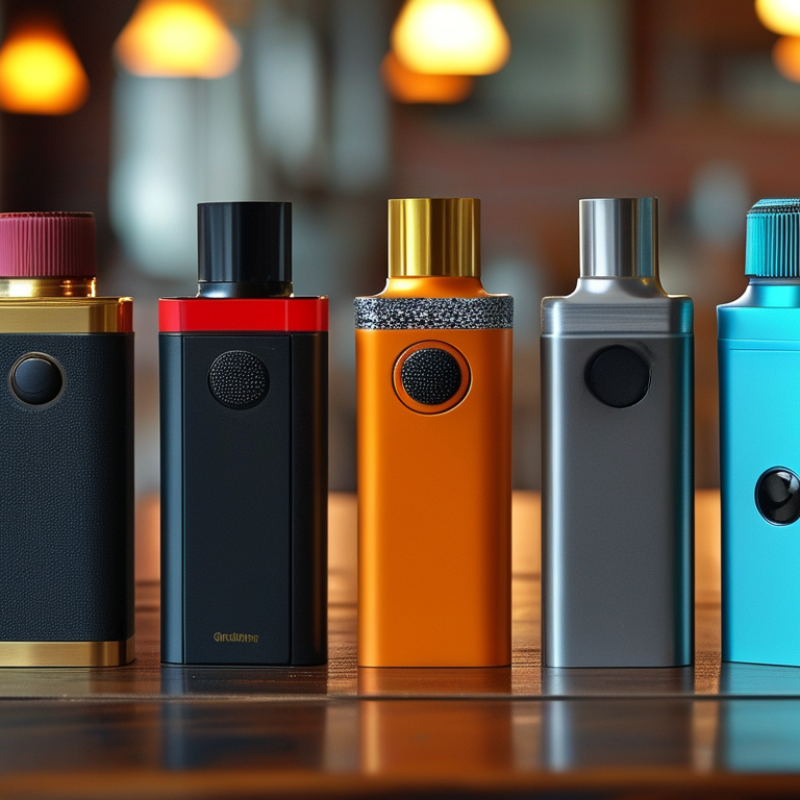
E-vapes vary mainly by power output, pod structure, nicotine format, and refill method. Lower-power devices usually create a cooler, gentler draw. They often suit users who value quiet use and modest vapour. Higher-power devices produce warmer vapour and stronger flavour. They also consume more liquid and battery power. More vapour is not automatically better.
Pod design affects convenience and maintenance. Closed pods use prefilled cartridges, so handling is simple and consistent. Open pods require bottled e-liquid and allow more flavour flexibility. Some pods use replaceable coils, while others need complete replacement.
A practical detail matters here: leaking can occur when a pod is overfilled or stored on its side. Small design differences can change daily comfort.
Nicotine strength and formulation deserve careful attention. Products may use nicotine salts or traditional freebase nicotine, with different throat sensations and absorption patterns. Buyers should check the labelled concentration and follow local age, nicotine, and usage rules. Refillable models may reduce packaging waste, but they demand careful filling and cleaning. Single-use products may be convenient, yet their environmental impact deserves reflection. There is no perfect setup. Personal preference, device safety, and responsible use should guide the choice.

The World Health Organization’s often-cited estimate of more than 100 million e-cigarette users shows substantial global demand. However, this figure is not a live census. Definitions, survey dates, and reporting quality differ between countries. Treating it as perfectly precise would be misleading.
For many adult buyers, closed pod systems remain popular because they are compact, simple, and less messy during travel. Refillable pod devices attract users who want more control over liquid choices and operating costs. Larger tank devices offer longer sessions, but they require more cleaning and basic handling knowledge. Disposable products may seem convenient, yet availability and environmental rules vary widely. Some markets restrict or prohibit them.
The most suitable type depends on local law, age requirements, product testing, and personal habits. A buyer commuting by train may value a small pod device, while someone at home may prefer a refillable tank. From a quality perspective, clear ingredient information, child-resistant packaging, battery protection, and traceable manufacturing matter more than appearance. WHO’s estimate also exposes a difficult gap: popularity does not prove safety, and user numbers cannot replace independent health evidence. Even experienced users can overlook battery damage or unclear labeling. That weakness deserves more attention.
Disposables and closed pods appeal to buyers who value simple routines. There is no liquid bottle, coil change, or charging cable to manage. A sealed pod can fit inside a small pocket, while a disposable feels ready for short trips or busy commutes. Grand View Research estimated the global e-cigarette market at about USD 28.2 billion in 2023. Its report also identified convenience and product portability as important growth factors.
Closed pods offer a slightly more structured experience. Users select a compatible sealed cartridge, attach it to the device, and monitor the remaining liquid through a small window. Disposables remove even that step. This matters in airports, workplaces, and unfamiliar cities, where carrying extra equipment becomes inconvenient. Euromonitor International has repeatedly linked modern nicotine product growth with format simplicity, compact design, and changing adult consumer routines.
Still, convenience can hide practical weaknesses. Battery life may vary, and sealed products create more waste than refillable systems. Flavor descriptions can also feel subjective. A smooth first puff does not guarantee consistent performance later. Buyers should check age requirements, ingredient information, battery safety guidance, and local rules before purchasing. The World Health Organization stresses that national regulations differ widely, so a product accepted in one market may be restricted elsewhere. Convenience is valuable, but it should not replace careful product evaluation.
Refillable pods and box mods serve different priorities for global buyers. A refillable pod usually costs less at checkout, often around $15–$40, depending on regional taxes and materials. Replacement coils or cartridges add recurring expense. However, a small bottle of e-liquid can last several days for moderate users. Convenience matters.
Box mods often begin around $40–$100 before adding a tank, batteries, and a charger. Their adjustable wattage, airflow control, and replaceable coils offer deeper customization. Experienced users can tune vapor warmth and draw resistance. More control means more maintenance. It also means more opportunities for poor battery handling.
Grand View Research estimated the global e-cigarette market at about $28.2 billion in 2023, with strong projected growth through 2030. ECigIntelligence reports also show major differences in product preferences across regions, shaped by taxes, regulation, and retail access. These figures describe a broad market, not guaranteed savings. A spreadsheet can mislead.
For a frequent user, refillable pods may provide the lower running cost and easier travel routine. Box mods can become cheaper over time when users rebuild or replace individual components, but that calculation depends on skill and usage. The comparison is not perfectly fair. Buyers should check local rules, purchase compliant products, and use only compatible batteries and chargers.
WHO estimates that about 86 million adults and 15.6 million adolescents use e-cigarettes worldwide. These figures reshape buyer fit.
They also expose a serious responsibility: youth access must never guide product selection. Any lawful purchase should follow age verification, ingredient disclosure, packaging rules, and local nicotine limits.
For adult buyers, refillable pod systems often suit users seeking lower waste and adjustable flavour options.
Closed pod devices can fit travelers who prefer simple handling and consistent dosing.
Vape pens may appeal to experienced adults wanting a familiar shape and moderate battery capacity.
Disposable formats can offer convenience, but their battery waste and regulatory status require careful review. Some markets restrict or prohibit them.
Euromonitor International’s 2024 nicotine-market analysis shows continued fragmentation across device formats and consumer preferences. The Global State of Tobacco Harm Reduction also stresses that regulations differ sharply between countries. A product popular in one market may be unsuitable elsewhere.
Check customs rules. Check retail authorization. Check safety documentation.
A neat category map helps, but it is not perfect. Buyers should also examine charging protection, child-resistant design, and laboratory testing records.
WHO’s tobacco-control guidance makes the priority clear: these products are for adult consumers only, not non-users or young people.