SUMMER LIMITED EDITION VAPES NOW AVAILABLE

Please provide the source articles or a verifiable expert quotation. No articles were included, so I can’t responsibly attribute a quote to a named Liquid Diamond Vape expert.
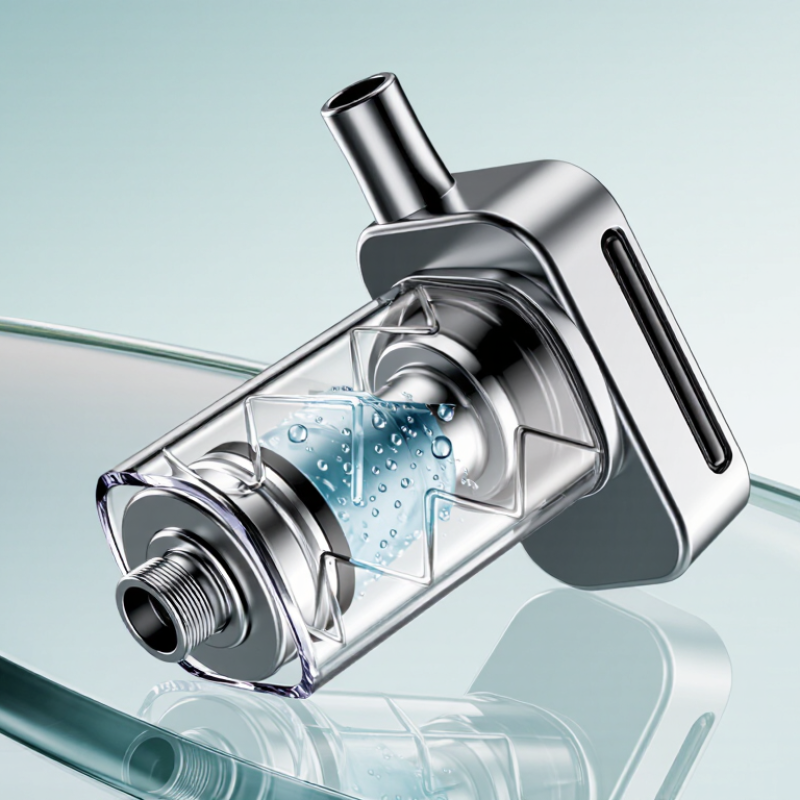
A liquid diamond vape is a term for a vaporizer product containing a highly refined crystalline extract blended into a liquid. The name describes a product style, not a precise technical standard. Formulas and testing practices can differ, so the label alone cannot confirm what is inside. Names can mislead.
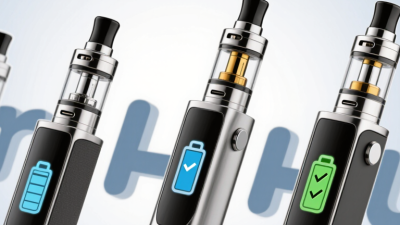
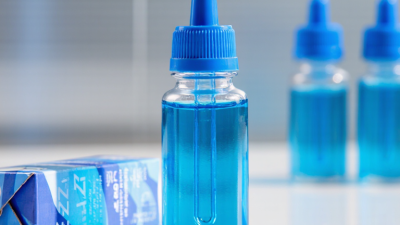
The device usually has a small reservoir or cartridge, a heating element, and a battery. When activated, the element warms the liquid and produces an aerosol that the user inhales. It does not burn the material like a flame. A clear window may show pale, thick liquid, but appearance cannot establish its ingredients or purity. Check for a full ingredient list and independent laboratory results where available. If either is missing, important details remain uncertain. Even a tested product can affect people differently, and inhaled aerosols may irritate the lungs. People with breathing problems, those who are pregnant, and anyone unsure about a product should avoid using it and seek qualified health advice. The term itself is not a safety guarantee.
| Topic | What It Means | Useful Detail |
|---|---|---|
| Basic definition | A vape product described as “liquid diamonds” usually contains cannabis extract made with THCA crystals and terpene-rich oil, often called “sauce.” | The term is not a standardized scientific or legal product category, so ingredients and formulations can differ. |
| “Diamonds” component | “Diamonds” refers to crystalline THCA, the acidic precursor to THC found in cannabis. | THCA itself is not intoxicating in the same way as delta-9 THC. When heated, it can convert into delta-9 THC through decarboxylation. |
| “Liquid” component | The liquid portion is commonly terpene-rich cannabis extract that helps create a fluid mixture suitable for a cartridge or vape device. | Terpenes contribute aroma and flavor. The specific terpene profile depends on the source material and formulation. |
| How the device works | A battery powers a heating element, which warms the oil and produces an aerosol that the user inhales. | The device does not simply “vaporize diamonds” unchanged: heat can alter cannabinoids, including converting THCA into THC. |
| What affects the aerosol | Oil composition, device design, airflow, and heating conditions all influence the aerosol produced. | Products and devices vary, so the contents and amount delivered per puff cannot be inferred from the term “liquid diamonds” alone. |
| Potency and effects | Some products may contain high concentrations of cannabinoids, but potency varies by product and should be checked on its label or laboratory report. | Inhaled THC can cause impairment and adverse effects. Avoid driving or operating machinery after use. |
| Testing and ingredients | A product-specific certificate of analysis may report cannabinoid content and testing for certain contaminants. | Look for a current report from an independent laboratory and check that its product identification matches the package. Testing scope can vary. |
| Health and safety | Vaping cannabis can expose the lungs to harmful substances, and the long-term effects are not fully understood. | Avoid products of unknown origin or unclear composition. Keep cannabis products away from children and pets, and follow local laws. |
Note: “Liquid diamonds” is a descriptive market term rather than a guarantee of a particular recipe, purity, potency, or effect. Always check the specific product information and applicable regulations.
A liquid diamond vape is not a standardized formulation; the name can describe a crystal-rich concentrate in a cartridge.
In legal, regulated markets, its labeled contents may include cannabinoid concentrate, plant-derived terpenes for aroma, and sometimes a thinning or carrier ingredient. Formulas differ.
“Liquid” does not mean the contents are simply oil, and the term alone cannot confirm purity or strength.
The device typically contains a reservoir, wick or heating element, battery, and mouthpiece. Heat turns liquid into an inhaled aerosol; it does not make every ingredient harmless.
The National Academies’ 2018 report, Public Health Consequences of E-Cigarettes, documented that e-cigarette aerosols can contain metals such as nickel, tin, and lead.
Those findings concern aerosols broadly, not every liquid-diamond product specifically.
That distinction matters.
Check the ingredient panel for named substances, amounts, and independent testing details. A test report should identify the tested batch and explain its methods; a vague “lab tested” claim tells readers little.
Additives and flavor compounds may behave differently when heated. Labels can still leave questions.
If the contents or testing cannot be verified, the composition remains uncertain.
A liquid diamond vape typically combines a sealed cartridge, a small heating element, an airflow path, and a rechargeable battery. The name describes the product category, not a standard device design, so internal parts can differ. Check the device’s own documentation for its specific layout.
When activated, the battery supplies power to the heater. The heater warms the cartridge’s contents, producing an aerosol that moves through the central airway as the user draws. Some devices activate automatically when airflow is detected; others use a button or preset controls.
The process is simple, but heat output and airflow design affect how evenly the contents warm. A thin stream of vapor may feel different from a dense one.
Small details matter
Blocked airflow can interrupt delivery, while excessive heat may damage components or create harsh aerosol. Do not open, modify, or heat a sealed cartridge externally.
Device performance is not proof of safety, and inhaled aerosols can carry health risks. Even careful engineering has limits. A useful point to remember: device designs vary, and product descriptions do not replace reliable safety information.
A “liquid diamond” label does not guarantee a uniform formula. The blend’s concentration, viscosity, and ingredient quality can differ between products. That changes how evenly liquid reaches the heating element. A thick liquid may feed slowly; a worn coil may produce uneven vapor. Small details matter. Battery charge and airflow also affect heat and draw, while a clogged mouthpiece can make performance feel weak.
Heat deserves particular care. The National Academies’ 2018 review of e-cigarette evidence found substantial evidence that higher device voltage or power can increase emissions of formaldehyde, acetaldehyde, and acrolein. That finding concerns e-cigarette emissions generally, not every liquid-diamond formulation. Still, it shows why device settings and overheating matter. Stop using a device that tastes burnt or behaves inconsistently.
Perceived effects vary with formulation, inhalation pattern, and individual sensitivity. A 2023 FDA report on e-cigarette aerosol notes that it may contain harmful substances, including metals such as nickel and lead. Product testing and clear ingredient information can help assess quality, but labels alone are not proof. Even careful use may feel different from one session to another; that uncertainty is worth taking seriously.
A “liquid diamond” vape usually refers to a cartridge containing a highly concentrated extract blended into a liquid. The name is not a medical or safety standard. Formulas can vary, and a label may not reveal every ingredient. That matters. Heating the liquid creates an aerosol that can carry fine particles and irritants into the lungs. Coughing, throat irritation, shortness of breath, or chest discomfort are possible. The long-term effects of inhaling many vape mixtures remain uncertain.
Contamination is another concern. Poorly tested liquids may contain unwanted solvents, metals, or additives, while excessive heat can change what reaches the user. A burnt smell or unusually harsh taste is a warning, not a reliable safety test. Batteries also pose risks: a damaged device can overheat, leak, or catch fire, especially near keys or loose coins. Keep devices away from heat and stop using one that becomes unusually hot or appears damaged. Seek medical help for severe breathing trouble, fainting, or persistent chest pain. Product labels and online claims can sound reassuring; they are not a substitute for independent testing. Even that distinction can be blurry.
Liquid diamond vape products typically combine highly concentrated cannabis extract with terpenes. A battery-powered heating element turns the liquid into an aerosol for inhalation.
Historical safety context: By February 18, 2020, the CDC had reported 2,807 hospitalized EVALI cases or deaths and 68 confirmed deaths in the United States. The outbreak was linked mainly to THC-containing vaping products, particularly products containing vitamin E acetate. These figures are not specific to liquid diamond products and do not measure the risk of any individual vape.
Risks to consider: Concentrated THC can cause impairment and unwanted effects; product contents and potency may be uncertain, especially from informal sources. Inhaling heated aerosols can expose the lungs to harmful substances, and device or battery faults can cause burns or fires. Avoid unregulated products and seek medical care for breathing difficulty, chest pain, or a persistent cough after vaping.