SUMMER LIMITED EDITION VAPES NOW AVAILABLE




How to Source Smart Vape Products Legally Worldwide?
Sourcing Smart Vape products legally worldwide requires more than comparing prices or choosing attractive packaging. It demands evidence, patience, and a clear understanding of each destination’s rules. A compliant product in one market may be restricted, recalled, or classified differently elsewhere. Regulations can cover nicotine strength, ingredients, device functions, advertising, packaging, battery transport, consumer age, and waste disposal. The details matter. So does timing. Rules and enforcement practices can change before a shipment leaves the warehouse.
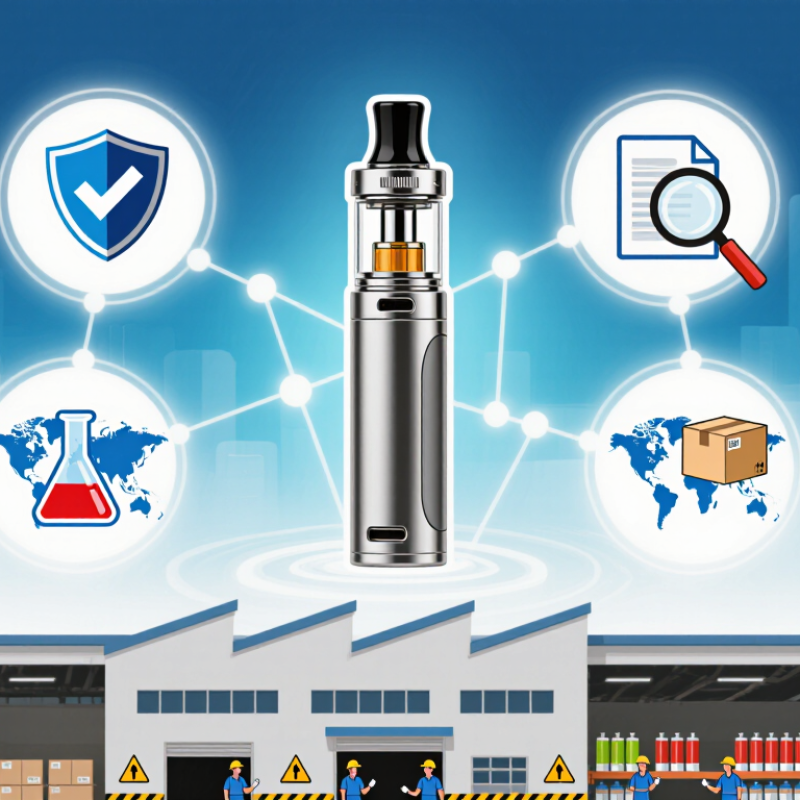
This guide introduces a practical, risk-aware approach for buyers, distributors, and import teams. It focuses on verified manufacturers, traceable materials, independent laboratory testing, accurate labels, and documented quality controls. Ask for licenses, certificates, test reports, product specifications, and a clear chain of custody. Check official requirements in the exporting country and every intended sales market. Use qualified customs, legal, and compliance professionals when the position is unclear. A factory tour can reveal useful facts: separated battery storage, sealed filling areas, batch records, and calibrated testing equipment. Still, visual confidence is not proof. No checklist is perfect. In practice, suppliers can fail simple document checks despite polished presentations. That uncomfortable lesson deserves attention. Responsible sourcing also means refusing products without transparent ingredients, reliable safety data, or lawful market authorization. Smart Vape should be treated as a regulated consumer product, not an ordinary accessory. Careful verification protects customers, business reputation, and international trade continuity.
Define Smart Vape Products and Their Legal Classification
A smart vape product is an electronic inhalation device with added digital functions. It may use sensors, firmware, temperature controls, or a mobile connection. Some models record puff duration, battery status, or device performance. These features do not create one universal legal category. The term remains imprecise.
Legal classification usually depends on the device’s intended use, liquid contents, nicotine status, and marketing claims. A nicotine-containing product may be regulated as a tobacco, nicotine, or consumer product. A nicotine-free device may still face rules for electrical safety, emissions, packaging, and advertising. Wireless functions can also trigger radio equipment and data privacy requirements. Never rely on the product name alone.
Check the destination market carefully. Good sourcing records should show ingredient information, laboratory reports, battery testing, labeling files, and manufacturing controls. Age restrictions may apply, even where nicotine is absent. Health or cessation claims require particular caution and strong evidence. Local authorities may require registration, notification, or prior approval. Requirements can change quickly.
The paperwork matters. So does the actual device. A temperature setting, sensor, or app feature can alter the regulator’s view. I would obtain written advice from qualified counsel in each target market before purchase or shipment. No global checklist is perfect. That limitation deserves honest attention.
How to Source Smart Vape Products Legally Worldwide? - Define Smart Vape Products and Their Legal Classification
| Data Dimension | Definition or Verified Requirement | Typical Legal Classification | Sourcing and Compliance Implication |
|---|---|---|---|
| Smart vape product | An electronic vaping device with functions such as sensors, puff monitoring, temperature control, charging management, Bluetooth connectivity, mobile-app support, or usage data storage. | Usually classified according to its intended use, nicotine content, ingredients, claims, and delivery function rather than the word “smart.” | Document the device specification, software functions, liquid composition, intended market, and all product claims before purchase. |
| Hardware-only device | A battery-powered vaporizer, pod device, tank, cartridge system, charger, or replacement component supplied without nicotine liquid. | May still be regulated as a vaping or tobacco-related product, even when sold without e-liquid. | Confirm whether the destination country regulates empty devices, batteries, chargers, radio modules, and electrical safety separately. |
| Nicotine-containing e-liquid | A liquid containing nicotine and intended for vaporization through an electronic device. | Commonly regulated as a tobacco-related, nicotine, consumer, poison, or medicinal product depending on the jurisdiction and marketing claims. | Check maximum nicotine concentration, permitted ingredients, container size, child-resistant packaging, labeling, tax, registration, and import rules. |
| Nicotine-free e-liquid | A flavored or unflavored liquid declared to contain no nicotine. | May fall outside nicotine-specific rules but can still be controlled as a vaping product, inhalation product, chemical mixture, or consumer product. | Use laboratory testing and batch records to support the “nicotine-free” claim; review flavor, inhalation safety, labeling, and advertising restrictions. |
| Closed-system pod | A device using sealed, prefilled cartridges that are not normally designed for consumer refilling. | Generally treated as an electronic cigarette, vaping product, or tobacco-related product when it contains nicotine. | Verify cartridge capacity, leakage performance, nicotine strength, labeling, waste obligations, and whether disposable or prefilled formats are restricted. |
| Open-system refillable device | A device with a refillable tank or pod that allows the user to add e-liquid. | Usually regulated as vaping hardware, with additional rules applying to separately supplied nicotine liquid. | Assess refill safety, spill resistance, child resistance, battery protection, instructions, and compatibility with legally permitted liquids. |
| Disposable vape | A prefilled, non-refillable vaping product designed for limited use and disposal or recycling after the liquid or battery is depleted. | May be covered by vaping, tobacco, environmental, battery, or single-use product restrictions. | Check destination-specific bans, minimum age rules, waste and battery requirements, puff claims, and restrictions on flavors or packaging. |
| Connected or app-enabled function | Bluetooth, wireless communication, user accounts, geolocation, usage analytics, firmware updates, or app-based controls. | May trigger separate radio-equipment, cybersecurity, privacy, consumer-protection, and digital-service requirements. | Prepare radio conformity evidence, privacy notices, data-retention rules, software-update procedures, and age-appropriate design controls. |
| Therapeutic or cessation claim | A claim that the product helps users quit smoking, treats dependence, delivers a therapeutic dose, or improves health. | Can change the product into a medicinal or therapeutic product requiring authorization and clinical or technical evidence. | Do not use medical, cessation, or reduced-risk claims unless the product has the required authorization in the target market. |
| Product safety file | A technical file containing specifications, drawings, risk assessment, test reports, instructions, labeling, and traceability records. | Required or strongly expected under many product-safety, tobacco, electrical, chemical, and radio-equipment regimes. | Obtain the file before placing a purchase order; verify that reports identify the correct model, battery, liquid, firmware, and manufacturing site. |
| Battery and charging system | Rechargeable cell, protection circuit, charging port, adapter, and battery-management software used by the product. | May be subject to transport, electrical safety, battery, recycling, and hazardous-goods rules. | Request cell specifications, transport test documentation, overcharge and short-circuit protection evidence, and safe-use instructions. |
| Age-restricted product | A product whose sale, advertising, possession, or use is limited by minimum-age laws. | Common for nicotine and vaping products; the minimum age and enforcement duties differ by market. | Build age verification, retailer controls, packaging safeguards, and marketing restrictions into the distribution plan. |
Selected Worldwide Legal Classification Snapshot
| Market | General Classification | Key Sourcing Check |
|---|---|---|
| United States | Electronic nicotine delivery systems and their components are generally regulated as tobacco products when intended for use with tobacco-derived or nicotine-containing products. Marketing authorization requirements may apply. | Confirm federal and state requirements, authorized product status, premarket obligations, ingredient disclosures, warning statements, and state taxation or flavor rules. |
| European Union | Nicotine-containing electronic cigarettes and refill containers are principally governed by the Tobacco Products Directive, while electrical, chemical, packaging, waste, and radio rules may also apply. | Check notification before marketing, nicotine limits, tank and refill-container limits, health warnings, child resistance, leakage prevention, and each Member State’s additional rules. |
| United Kingdom | Nicotine vaping products are regulated mainly under the Tobacco and Related Products Regulations, with product notification, labeling, packaging, and advertising controls. | Verify notification, permitted nicotine and container specifications, recycling duties, age restrictions, and current rules concerning disposable formats. |
| Canada | Vaping products are generally regulated under the Tobacco and Vaping Products Act, alongside consumer-product, packaging, labeling, and provincial requirements. | Check federal nicotine limits and warning requirements, provincial restrictions, permitted promotion, excise obligations, and importer responsibilities. |
| Australia | Nicotine vaping products are closely controlled through therapeutic-goods, customs, medicines, and state or territory laws. Access and supply conditions have changed substantially in recent years. | Confirm current import permissions, prescription or pharmacy pathways, product standards, packaging, nicotine concentration, and state or territory restrictions. |
| China | Domestic manufacture and domestic sale of electronic cigarettes are subject to tobacco-related administration and national standards; export treatment can differ from domestic-market treatment. | Separate the export specification from the domestic specification and verify destination-country import rules, testing, documentation, and customs classification. |
| India | The Prohibition of Electronic Cigarettes Act prohibits production, manufacture, import, export, transport, sale, distribution, storage, and advertising of electronic cigarettes. | Do not plan ordinary commercial sourcing or distribution of electronic cigarettes for the Indian market without specialist legal confirmation of the applicable prohibition. |
| Singapore | Vaporisers, components, and imitation tobacco products are subject to strict prohibition and enforcement measures. | Treat commercial import, sale, possession, and use as high-risk prohibited activities unless a local authority confirms a lawful exception. |
Related Posts
-

Ultimate Guide to Sourcing Discreet Vape Products with Market Insights and Trends
-

10 Best Nicotine Free Vape Juice Suppliers Worldwide?
-
Discover How to Enjoy Vapes For Free: Insights and Tips for Enthusiasts
-

China Top Banana Vape Suppliers for Global Purchasers?
-
How to Get Vapes for Free in 2025 Essential Tips and Tricks
-

Ultimate Guide to Discovering the Best Cherry Vape Juice for Your Global Supply Needs