SUMMER LIMITED EDITION VAPES NOW AVAILABLE

Choosing a Salt Nic Vape Mod requires more than comparing wattage or choosing a compact shape. Salt nicotine liquids can deliver nicotine efficiently, so device compatibility and careful use matter. Start by checking the manufacturer’s recommended liquid range, coil resistance, and power settings. A device designed for high-strength nicotine liquid may differ from one intended for lower-strength liquid. The label and user manual are more reliable than a shop-floor guess.
Small details matter. A clear display, simple controls, and a secure pod or tank can make everyday use easier. Battery capacity affects how often charging is needed, while airflow changes the draw and warmth. Neither the largest battery nor the highest power is automatically best. Match the device to its stated specifications, and stop using it if it leaks, overheats, or behaves unusually. Keep liquids away from children and pets.
There is no perfect setup. Personal preferences vary, and online recommendations may leave out important details. This guide will explain the main features to compare, questions to ask, and common selection mistakes. It will also distinguish practical specifications from marketing claims. Nicotine is addictive, and vaping is not risk-free. Adults who do not use nicotine should not start; anyone considering a change in nicotine use can seek advice from a qualified health professional. Check local rules before purchasing or using a device, since requirements differ by location.
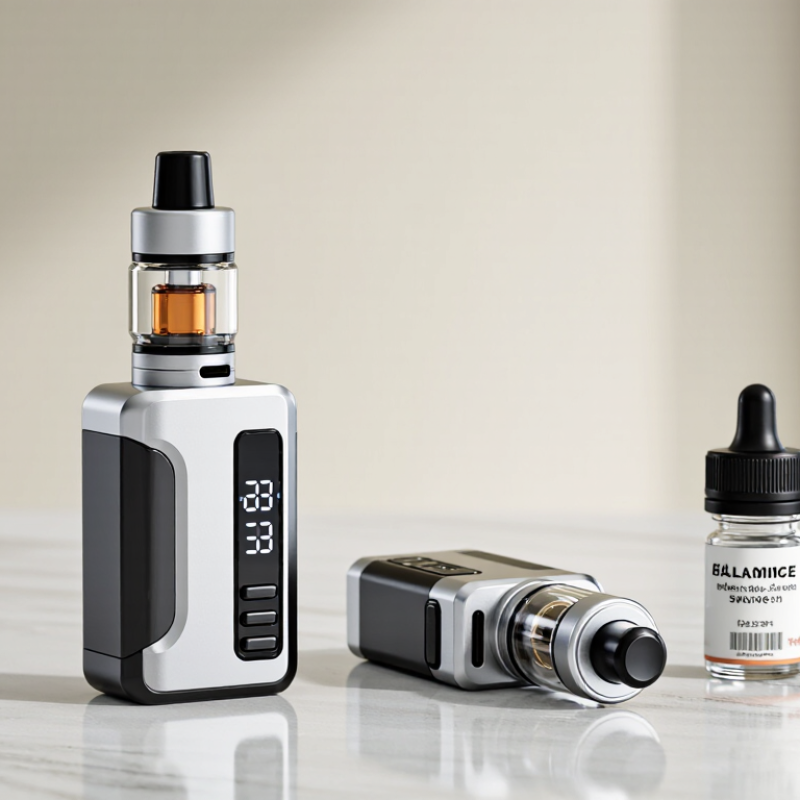
Salt nicotine e-liquid contains nicotine salts, which may feel smoother at higher concentrations than some other nicotine liquids. That smoother sensation does not make it harmless. Nicotine is addictive. Check the bottle’s strength, usually listed in mg/mL, and read the device instructions before filling it. Salt nicotine liquids are often intended for lower-power pod devices with higher-resistance coils, but the label alone cannot confirm compatibility. Formulations differ.
Check the coil’s stated resistance and the device’s supported power range. A powerful adjustable device is not automatically suitable just because its wattage can be lowered; coil design and airflow matter too. Fit matters. Use a liquid only when its guidance matches the device’s specifications, and avoid high-strength liquid in a high-output setup unless the manufacturer clearly supports that pairing. Too much nicotine can cause nausea, headache, or dizziness. If symptoms occur, stop using the device and seek medical advice. Product labels can be confusing, so it is worth checking them twice rather than guessing.
Before choosing a salt-nic vape mod, check your local rules on minimum age, nicotine strength, and permitted products. These requirements vary by location and can change. Use an official government health or regulatory website, not a shop listing. If you are below the legal age, do not buy or use nicotine products. Salt-nicotine liquids may contain substantial nicotine, which is addictive. The CDC’s 2024 National Youth Tobacco Survey reported that 1.63 million U.S. middle and high school students currently used e-cigarettes. That finding is a reminder to keep nicotine products away from young people.
Think carefully about health, too. If you do not already use nicotine, starting is not a health-conscious choice. Nicotine can be especially harmful to young people, and people who are pregnant should avoid it. Ask a healthcare professional about personal risks, especially if you have a heart or lung condition. A device’s smooth draw does not mean its nicotine is mild. I’d also question any label that makes strength hard to compare; packaging can be confusing.
Tips: Confirm the legal age and product rules where you live. Read the nicotine concentration and follow the device instructions. Keep liquids secured, away from children and pets. If you feel unwell after use, stop and seek medical advice.
| Check | What to know | Safer next step |
|---|---|---|
| Minimum legal age | The minimum age for buying or using vaping products depends on the country and, in some places, the state, province, or territory. In the United States, federal law prohibits retailers from selling tobacco products, including e-cigarettes, to anyone under 21. | Check current official government rules for your location. Do not buy or use these products if you are below the applicable minimum age. |
| Local restrictions | Rules may cover sales, nicotine limits, product standards, online purchases, public use, and where vaping is prohibited. Regulations can change and differ between jurisdictions. | Consult official local health or regulatory websites before purchasing, carrying, or using any vaping product. |
| Nicotine dependence | Nicotine is addictive. Nicotine-salt liquids can contain substantial nicotine, and the amount absorbed varies with the product and how it is used. | Do not assume that a smoother sensation means a lower dose. If you do not already use nicotine, do not start. |
| Health considerations | Vaping is not risk-free. Nicotine can affect the developing brain, and nicotine products are not considered safe during pregnancy. Aerosol may contain harmful substances. | Avoid vaping if you are pregnant, underage, or do not use nicotine. Ask a healthcare professional for help with nicotine dependence or quitting. |
| Smoking cessation | Vaping products are not risk-free and are not approved as smoking-cessation medicines in some jurisdictions. Using both cigarettes and e-cigarettes may not remove the health risks of smoking. | If you smoke and want to quit, seek evidence-based support from a healthcare professional or an official quit service. |
| Device and liquid compatibility | Devices and liquids are not universally interchangeable. Using an incompatible setup or damaged battery can cause leaks, overheating, or injury. | Follow the device maker’s safety instructions and applicable product rules. Do not modify batteries or use damaged equipment. |
| Storage and disposal | Nicotine liquid can be harmful if swallowed or absorbed through the skin. Batteries and electronic devices may require special disposal. | Keep products locked away from children and pets, avoid skin contact, and follow local guidance for battery and e-waste disposal. |
General information only. Laws and health guidance vary by location; verify current rules with official local sources.
Pod systems are usually the simplest match for salt-nicotine liquids. Their small tanks, modest batteries, and replaceable pods suit lower-power use. Many operate around 10–25 watts, but the coil’s printed range matters more than a general estimate. Check the coil. A tight draw and gentle vapor can feel less harsh, though nicotine strength still affects the experience.
Compact regulated mods offer more adjustment, often across roughly 20–40 watts or higher. That flexibility is not automatically an advantage. Salt nicotine is commonly paired with low-power, higher-resistance coils; pushing power beyond a coil’s range can cause overheating or a burnt taste. Larger box mods are usually designed for different coils and airflow. Read the device instructions, and keep the liquid, coil, and power setting compatible. Keep it simple.
Compare refillable pods with prefilled-style systems by checking maintenance, leak resistance, and replacement availability. A clear liquid window can make it easier to notice when a pod is nearly empty. Battery life matters too, but a larger battery may mean a heavier device. There is no perfect wattage chart: designs vary, and labels can be confusing. Nicotine is addictive, so adults who already use nicotine should choose cautiously; people who do not use it should not start.
For adults who already use nicotine, coil resistance, battery capacity, and built-in protections deserve more attention than screen size or appearance. Check the device’s stated resistance range before choosing a coil. Lower-resistance coils generally need more power and can use battery charge faster. They are not automatically a better fit. A small resistance number can look impressive, but compatibility matters more.
Battery capacity is usually listed in milliamp-hours. More capacity may mean fewer charging breaks, though actual runtime depends on power settings and use. Numbers can mislead. If possible, compare the specifications with your typical day rather than assuming the largest battery is best. Safety features matter just as much: look for protections against short circuits, overheating, and overcharging. Use the specified charging method, and stop using a battery that is swollen, leaking, unusually hot, or visibly damaged. These checks are easy to overlook. I would not treat any feature list as a substitute for careful handling, and nicotine itself can cause dependence.
Choose a salt nicotine device around your real routine, not its screen size or maximum wattage. If you take short, occasional puffs, a compact, lower-output device may be easier to manage. If you use it throughout the day, consider battery life, refill steps, and whether replacement parts are easy to find. Check the label. Use only liquid and coils specified as compatible; a mismatched setup can produce an unpleasant or unreliable experience.
Nicotine delivery is not identical across devices. The National Academies’ 2018 review found that device design and user experience affect how much nicotine users receive. That makes a “strong” setting hard to judge from specifications alone. Salt nicotine can feel smoother, so pay attention to the stated nicotine concentration and your own response. If you feel dizzy or nauseated, stop using it and seek medical advice if symptoms persist.
Ease of use matters, but it is not a safety guarantee. The CDC and FDA’s 2023 National Youth Tobacco Survey reported 2.13 million U.S. middle and high school students currently used e-cigarettes. That figure is not a device comparison; it is a reminder to keep nicotine products away from young people. Adults choosing a device should also inspect seals, follow charging instructions, and reassess whether the setup suits their habits. A tidy spec sheet cannot predict every real-world use.