China Best Aluminum Can Lid Supplier How to Choose?
Choosing a China-based Aluminum Can Lid supplier requires more than comparing unit prices. The lid must protect the beverage, fit the can body, and perform reliably during filling, transport, and opening.
Tom Dobbins, President and CEO of The Aluminum Association, has emphasized, “Aluminum can be recycled over and over again without losing its properties.” This principle matters when evaluating material quality, recycled content, and responsible manufacturing practices. A dependable supplier should provide alloy specifications, coating details, dimensional tolerances, and test records. Ask for samples.
Look closely.
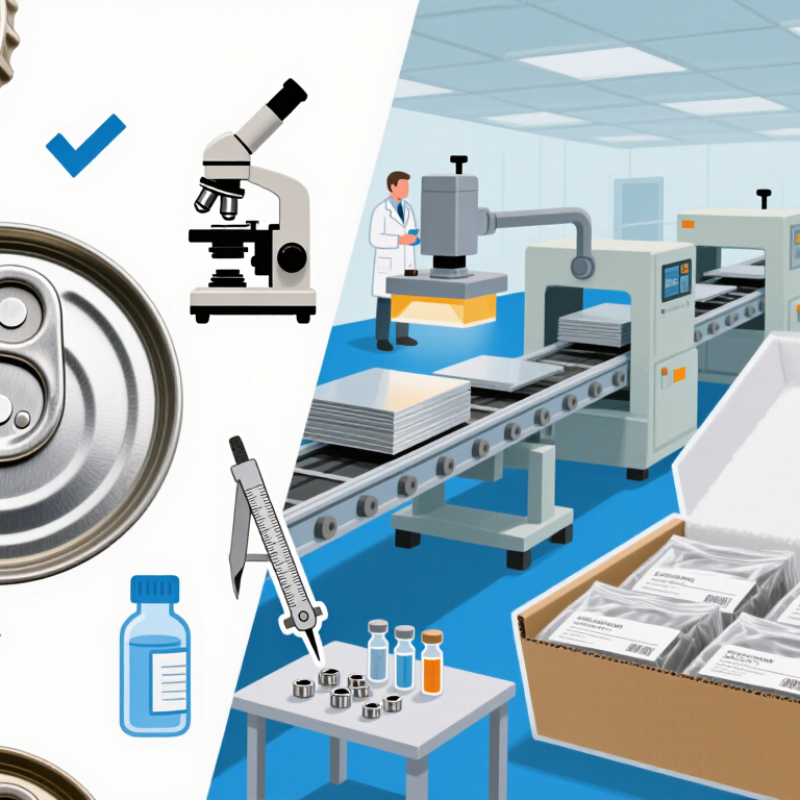
A practical review begins with the supplier’s experience with easy-open ends, standard can sizes, and beverage applications. Inspect the curl, score line, tab attachment, and sealing compound. Small defects can cause leakage, difficult opening, or customer complaints. Factory audits can reveal more than polished product photos. Check stamping equipment, inspection stations, laboratory tools, and batch traceability.
Communication also deserves attention. Can the supplier explain tooling changes clearly? Does it respond quickly when a sample fails? A low quotation may hide mold charges, packaging limitations, or inconsistent quality control. Clarify minimum order quantities, lead times, export packaging, inspection procedures, and after-sales responsibility before signing an agreement.
There is no perfect checklist. I would not rely on certificates alone. A supplier may hold impressive documents yet struggle with production consistency. Pilot orders, independent testing, and written acceptance standards reduce that risk. The strongest partner combines engineering knowledge, stable capacity, transparent communication, and evidence from real production. That is how buyers can choose an Aluminum Can Lid supplier with greater confidence.
What Makes a Reliable Aluminum Can Lid Supplier in China?
A reliable aluminum can lid supplier in China should prove quality through records, samples, and stable production. Do not judge the supplier by price alone. Request alloy specifications, lid dimensions, coating details, and food-contact test reports. The documents should match the actual production material.
Ask for samples from a regular production batch, not only polished showroom pieces. Check the curl, sealing compound, scoring line, and opening force. A weak score can create consumer complaints. A loose curl may cause leakage during filling or transport. Simple checks matter.
The supplier should explain its inspection process clearly. Look for incoming material checks, line inspections, final sampling, and batch traceability. Production staff should understand how humidity and coating thickness affect sealing performance. Independent testing adds confidence, especially for long-term supply.
Clear communication is another practical test. Can the supplier answer technical questions without vague promises? Can it report a defect honestly and suggest a correction? That matters more than a perfect first sample. In real projects, small errors happen. A supplier that hides them becomes a larger risk.
Before signing a contract, confirm lead times, packaging protection, replacement terms, and production capacity. Visit the facility when possible, or arrange a third-party audit. Photos alone can mislead. A dependable supplier welcomes reasonable verification and keeps specifications consistent from the first shipment to the next.
Which Aluminum Can Lid Specifications Match Your Product Needs?
When choosing an aluminum can lid, match the end to your product, filling line, and closure process. Nominal diameter matters because even a small mismatch can disrupt double-seam performance. Standard beverage ends often use 202 dimensions, while other products may require wider openings or deeper countersinks. Thicker stock can improve pressure resistance and handling strength. However, extra metal increases material use and may affect production costs. Carbonated products need stronger pressure control than still beverages. Viscous products may need a larger opening for smoother pouring. Ask the supplier for seam specifications, score-line measurements, tab force, and leak-test results. Small details matter.
Material choice deserves equal attention. 5182 alloy is widely used for aluminum easy-open ends because it combines strength with forming performance. The Aluminum Association’s 2023 sustainability indicators report roughly 73% recycled content in U.S. aluminum cans. The Can Manufacturers Institute reported an aluminum beverage-can recycling rate of about 43% in 2022. These figures support recyclable, lightweight packaging, but they do not prove every lid design will suit your product. Request food-contact documentation, coating information, and batch-level quality records. Check opening force under hot and cold conditions. A supplier may quote excellent laboratory results, yet your filling line can behave differently. That is not enough. Pilot testing remains essential. Some specifications look perfect on paper; real production behavior can disagree.
How to Evaluate Supplier Quality, Certifications, and Production Capacity?
Choosing a Chinese aluminum can lid supplier requires more than comparing prices. Inspect the factory, not only the catalog. Ask for recent COA records, material traceability, coating specifications, and dimensional inspection reports. For food-contact packaging, verify ISO 9001 and suitable food-safety certification, such as FSSC 22000 or equivalent approval. Certification helps, but it is not proof of daily consistency.
Check the production line in detail. Review press speed, scrap rates, mold maintenance, and quality-control checkpoints. Request the supplier’s monthly output, current utilization, and backup equipment records. The International Aluminium Institute reports that aluminum demand could increase substantially by 2050, so raw-material planning matters. A supplier dependent on one mill may face delays or unstable pricing. Ask how many days of material inventory they normally hold.
Small details matter. Measure curl diameter, tab strength, lacquer coverage, and sealing performance from random batches. The Aluminum Association states that recycling aluminum can save up to 95% of the energy used for primary production; responsible suppliers should track scrap recovery clearly. A factory video is useful, but insufficient. A spreadsheet score can still mislead. I would also request a pilot order before signing a long-term contract. Production capacity on paper may look impressive, yet shift changes, maintenance, or rejected batches can reduce real output. Supplier evaluation should remain evidence-based, repeatable, and slightly skeptical.
How to Compare Pricing, Minimum Orders, and Delivery Terms?
China Best Aluminum Can Lid Supplier: How to Choose?
When comparing aluminum can lid suppliers, separate metal cost from conversion, coating, tooling, packing, and freight. The World Bank Commodity Markets Outlook tracks aluminum prices through international market benchmarks, including LME-linked pricing. Ask whether your quotation follows a fixed price, monthly average, or daily adjustment. A low quote can hide costly surcharges.
Check minimum order quantities against realistic demand. A supplier offering 500,000 lids may appear competitive, but unused stock ties up cash and warehouse space. Request samples, dimensional reports, coating specifications, and a written defect policy. The International Aluminium Institute reports that recycled aluminum uses about 95% less energy than primary aluminum. Therefore, recycled-content claims should include a traceable percentage and testing method.
Delivery terms need equal attention. Compare EXW, FOB, CIF, and DDP under Incoterms 2020, because each shifts freight, insurance, customs, and risk differently. UNCTAD’s Review of Maritime Transport shows how port disruption can affect transit planning. Add production lead time, inspection days, buffer stock, and a late-shipment remedy. A supplier promising seven days may mean seven factory days, not seven calendar days. That difference matters. My comparison can still fail if forecast volumes are optimistic. Recheck quarterly demand, payment terms, mold charges, and replacement-lid availability before signing.
What Should You Confirm Before Signing a Supplier Agreement?
Before signing a supplier agreement, confirm the aluminum can lid specifications in writing. Check diameter, alloy, thickness, coating, tab design, and sealing performance. Request recent samples from the same production line, not showroom samples. Measure the curl, compound application, and tab strength with documented test methods. Small differences matter.
Review food-contact compliance documents and independent laboratory reports. Confirm the report matches the exact material, coating, and production site. Ask how each batch is traced through lot numbers and inspection records. A reliable supplier should explain sampling levels, rejection limits, and corrective actions clearly. Vague promises are not enough.
Clarify monthly capacity, minimum order quantity, lead time, tooling ownership, and storage conditions. Include written rules for design changes, delayed shipments, damaged goods, and quality claims. Define inspection timing before shipment and the evidence required for compensation. Payment milestones should match measurable production stages. I would also verify backup equipment and raw material availability. A contract can look complete, yet overlook seasonal capacity pressure. That mistake is easy to make. Confirm communication contacts, response times, and document-control procedures. Keep every approved drawing and sample attached to the agreement.
China Best Aluminum Can Lid Supplier: What Should You Confirm Before Signing?
Confirm the declared alloy grade and request a mill test certificate before signing. The chart shows common chemical-composition limits for aluminum alloys used in beverage-can components, expressed as weight percentages. The applicable alloy standard, temper, dimensions, coating, sealing performance, and inspection method should be written into the supplier agreement.