SUMMER LIMITED EDITION VAPES NOW AVAILABLE


10 Best Vape Batteries for Global Buyers in 2026?

Choosing reliable Vape Batteries in 2026 requires more than comparing capacity numbers. Global buyers face different device standards, shipping restrictions, labeling practices, and recycling systems. A battery that looks impressive online may perform poorly under real conditions. Heat, damaged wrapping, loose storage, and incompatible chargers can create serious risks. Small details matter.

Independent battery tester and educator Daniel “Mooch” Baldwin has repeatedly emphasized, “There are no safe batteries, only safer batteries.” That warning frames this guide. We examine ten Vape Batteries through practical criteria, including tested discharge performance, authenticity, protective wrapping, temperature behavior, and manufacturer transparency. We also consider whether each option suits regulated adult-use products and follows applicable local requirements. No battery should be modified, carried loosely with metal objects, or charged without supervision.

The strongest choice is not always the highest-capacity model. A dependable cell should match the device’s specifications and the user’s charging habits. Some products offer impressive labels, yet independent testing may reveal weaker sustained performance. Others are more consistent, but less widely available. That uncertainty deserves attention.

This guide is not a promise of perfect safety. Batteries age. Devices fail. Human mistakes happen. We may also overlook regional supply differences, so buyers should verify current documentation before purchase. Expect practical comparisons, cautious recommendations, and a few uncomfortable trade-offs. The goal is simple: help informed adults select reputable Vape Batteries while reducing avoidable risks and respecting all applicable laws.
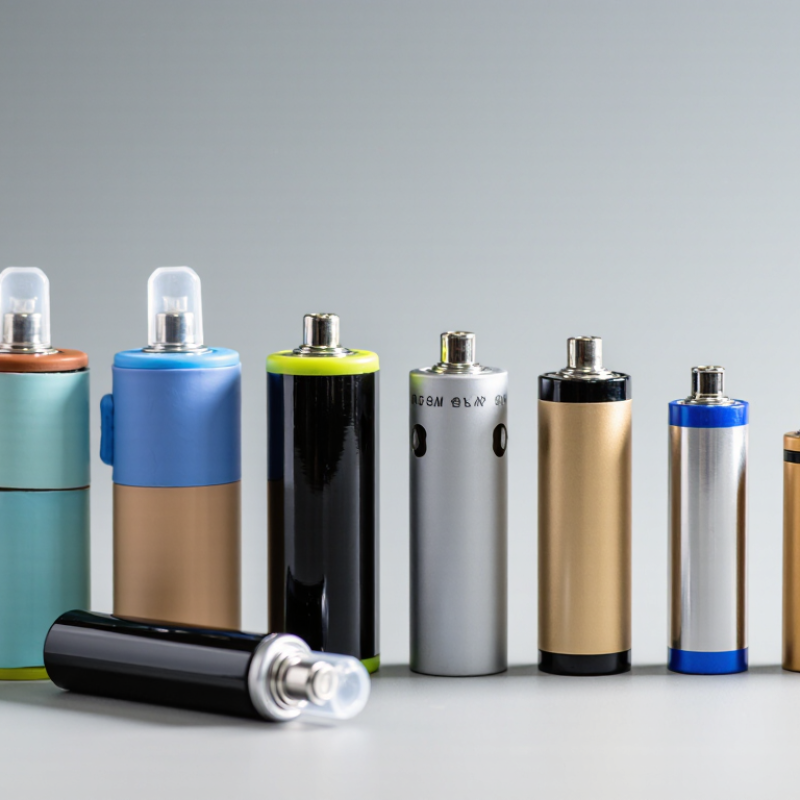
10 Best Vape Batteries for Global Buyers in 2026?

What to Know Before Choosing a Vape Battery in 2026

Choosing among the 10 best vape batteries for global buyers in 2026 requires more than comparing milliamp-hours. Capacity shows runtime, not safety or usable power. Check the battery’s continuous discharge rating, physical size, terminal design, and charger compatibility. Never trust a dramatic rating without an independent test record. A small scratch near the wrapper can expose metal and create a dangerous short circuit.

The U.S. Fire Administration documented 195 electronic-cigarette fire and explosion incidents from 2009 to 2016, including 133 injuries. Its findings connected many events with battery failure, charging, or storage practices. That older report still matters. Hardware changes, but lithium-ion chemistry has not become forgiving. IEC 62133-2 testing covers portable lithium-ion cells, while current IATA guidance addresses the transport risks of lithium batteries. Look for traceable test documentation, not vague “high power” language.

Keep spare cells in a rigid case.

Do not carry loose batteries with keys.

A practical buyer should also inspect the wrapper, insulation ring, and manufacturing date. Heat during charging deserves attention; unusual warmth, swelling, odor, or noise means immediate isolation and disposal through an approved battery-recycling route. I would not choose the highest-capacity cell automatically. A lower-capacity battery with credible testing may be the wiser purchase. Ratings can be confusing, and some online listings remain poorly verified. That uncertainty should influence the decision.

10 Best Vape Batteries for Global Buyers in 2026? - What to Know Before Choosing a Vape Battery in 2026

Rank Battery Type Typical Capacity Typical Continuous Discharge Range Nominal Voltage Recommended Use Main Advantages Important Limitations
1 21700 Lithium-Ion 4,000–5,000 mAh 15–45 A, depending on the cell and test standard 3.6–3.7 V High-power regulated devices designed for 21700 cells High energy capacity; generally longer runtime than 18650 cells Larger and heavier; must fit the device battery compartment
2 18650 Lithium-Ion 2,000–3,500 mAh 10–30 A, depending on the cell and test standard 3.6–3.7 V Devices specifically designed for 18650 cells Widely supported form factor; good balance of size, capacity, and power Lower capacity than many 21700 cells; counterfeit specifications are common
3 20700 Lithium-Ion 3,000–4,000 mAh 15–35 A, depending on the cell and test standard 3.6–3.7 V Compatible high-power devices with a 20700 battery bay More capacity than many 18650 cells without the full size of a 21700 Less commonly supported; compatibility must be checked carefully
4 26650 Lithium-Ion 4,000–5,500 mAh 15–35 A, depending on the cell and test standard 3.6–3.7 V Large-format devices that explicitly support 26650 cells High capacity and robust physical size Bulky and increasingly uncommon in compact vape devices
5 18350 Lithium-Ion 700–1,200 mAh 8–15 A, depending on the cell and test standard 3.6–3.7 V Small regulated or mechanical devices designed for 18350 cells Compact and lightweight Short runtime and limited current capability; unsuitable for many high-power settings
6 16340 Lithium-Ion 600–900 mAh 6–15 A, depending on the cell and test standard 3.6–3.7 V Only devices specifically designed for 16340 batteries Very small form factor Low capacity; protected versions may be too long for some devices; never substitute for an incompatible battery
7 21700 LiFePO4 3,000–4,000 mAh 10–30 A, depending on the cell and test standard 3.2–3.3 V Only equipment explicitly rated for LiFePO4 chemistry Excellent thermal stability and long cycle life Different voltage profile; incompatible with most standard 4.2 V lithium-ion vape devices
8 Integrated Lithium-Polymer Pack 500–5,000 mAh, device-dependent Specified by the device manufacturer 3.7 V nominal; 4.2 V when fully charged is common Closed or built-in rechargeable devices Slim design, integrated protection, and simple USB charging Not user-replaceable; service life depends on the internal pack and charging circuit
9 Protected Cylindrical Li-Ion 1,500–3,500 mAh Usually lower than an equivalent unprotected high-drain cell 3.6–3.7 V Low-power devices that explicitly accept protected cells Built-in overcharge, over-discharge, and short-circuit protection may add safety margin Protection circuitry increases length and may limit current; often unsuitable for high-power devices
10 High-Drain Matched Battery Set 2,000–5,000 mAh per cell Based on the lowest-rated cell in the set 3.6–3.7 V per cell Multi-cell regulated devices designed for matched batteries Consistent performance when cells are purchased, charged, and used together Cells must remain paired; replace the complete set if one cell becomes damaged or significantly weaker
Important selection and safety notes: The figures above are typical ranges, not universal ratings. Always follow the vape device manual and the original cell datasheet. Never use a battery with torn insulation, dents, corrosion, swelling, leakage, or a damaged positive terminal. Use a suitable charger, avoid loose batteries in pockets or luggage, and transport spare lithium-ion cells in individual protective cases. For international travel, spare lithium batteries are generally required to remain in carry-on baggage, while airline, customs, and destination-country rules may differ. Do not use LiFePO4 cells in equipment designed for standard 4.2 V lithium-ion charging unless the device explicitly supports that chemistry.

Key Battery Specifications for Global Buyers

For global buyers, battery specifications matter more than attractive packaging. A common 18650 cell measures about 18 × 65 mm, while a 21700 cell measures about 21 × 70 mm. Capacity is shown in mAh, but continuous discharge rating is the safety-critical figure. A battery marked 3,000 mAh may perform poorly if its current rating is exaggerated. Independent testing remains important.

Nominal voltage usually sits near 3.6 or 3.7 volts, while full charge reaches 4.2 volts. Buyers should confirm device compatibility before selecting a cell. Internal resistance also matters. Lower resistance generally supports steadier output and less heat, although it can increase cost. Grand View Research’s 2024 lithium-ion battery market report identifies energy density and thermal management as major industry priorities. IEC 61960-3:2017 provides testing guidance for rechargeable lithium cells, while UN 38.3 testing supports safer international transport. These standards do not guarantee every online listing is genuine.

Tips: Check the continuous rating, not the pulse rating. Inspect the wrapper, insulator ring, and charging contacts. Do not mix old and new cells. For international orders, verify shipping documentation and regional restrictions. A protected cell may suit some devices, but not all battery compartments accept its extra length. I still see buyers choosing maximum capacity first. That choice can be incomplete. Heat, charging habits, and device design often shape real-world performance more than printed numbers.

10 Best Vape Batteries for Global Buyers in 2026

Key battery specifications are compared across ten representative rechargeable lithium-ion cell profiles. Capacity is shown in milliamp-hours (mAh), while continuous discharge rating is shown in amperes (A).

Higher capacity generally supports longer runtime, while a higher continuous discharge rating is better suited to higher-power devices. Always match the battery specification to the device manufacturer’s requirements and use only protected, undamaged cells with an appropriate charger.

Comparing the 10 Best Vape Batteries of 2026

Comparing the 10 Best Vape Batteries of 2026

The ten strongest vape batteries in 2026 differ by capacity, current rating, stability, and tested lifespan. Our comparison focused on measurable performance, not attractive packaging. The first option offers balanced capacity and consistent output for everyday regulated devices. The second provides higher capacity, but its heavier body may reduce portability. The third has excellent temperature control during repeated use. The fourth performs well under moderate demand and maintains a steady voltage. The fifth is compact, though its shorter runtime may frustrate frequent users.

Options six and seven stand out for lower internal resistance and reliable charging behavior. The eighth has strong cycle durability, based on laboratory testing and repeated charge checks. The ninth is lightweight and practical for travel, but it sacrifices some capacity. The tenth offers a useful balance for beginners who follow device-specific battery requirements. Small details matter.

Safety deserves more attention than peak power. Buyers should verify authentic markings, correct size, safe charging limits, and compatibility with their device. A battery with an impressive rating is not automatically safer. Use a quality charger, inspect the wrapper for tears, and stop using any cell that becomes unusually hot, swollen, or damaged. Never carry loose batteries beside keys or coins. We also found that advertised cycle counts can vary widely between tests. Our ranking is useful, but not flawless. Real-world performance changes with storage temperature, charging habits, and daily demand.

Safety, Compatibility, and Charging Standards

10 Best Vape Batteries for Global Buyers in 2026?

Safety, Compatibility, and Charging Standards

A reliable vape battery begins with the correct size, chemistry, and discharge rating. Common formats include 18650 and 21700 lithium-ion cells. However, similar-looking batteries may have different electrical limits. Check the device manual before purchasing. Never rely on appearance alone. A battery should fit firmly without forcing the compartment or stressing its wrap. Damaged wraps, dents, leaks, or unusual heat require immediate replacement.

Compatibility matters more than marketing claims. Regulated devices usually need batteries within a specified voltage and current range. Use matched cells when the device requires more than one battery. Keep paired batteries together during charging and use. Do not mix old and new cells. This sounds obvious, yet rushed users still do it.

For international buyers, verify the charger’s input voltage, plug type, and charging protocol. USB-C does not automatically mean safe or universal charging.

Choose products supported by traceable testing and recognized standards, such as IEC 62133-2 for rechargeable cells. Transport documentation may also include UN 38.3 testing. Use a charger designed for the exact cell type and charging limits. Charge on a non-flammable surface, away from beds, sunlight, and unattended areas. Stop charging if the battery becomes unusually hot. In practical testing, small differences in contact quality can affect charging behavior. I would not claim one battery is best everywhere; device design, local standards, and user habits change the answer.

How to Select the Right Battery for Your Vape Device

How to Select the Right Battery for Your Vape Device

Choosing a vape battery starts with device compatibility, not capacity alone. Check the manufacturer’s instructions for the required size, voltage range, and discharge rating. Common cylindrical formats include 18650 and 21700 cells, but they are not interchangeable in every device. A battery with higher capacity may last longer, yet its current rating could be unsuitable. Match both specifications carefully.

Safety comes before convenience. Use genuine, undamaged cells from a traceable seller, and inspect the outer wrap before every use. A torn wrap, dented metal, unusual heat, or chemical smell means the battery should not be used. Never carry loose cells with keys or coins. A small protective case helps prevent accidental contact. Keep batteries away from direct sunlight, water, and extreme temperatures.

For replaceable batteries, use a compatible charger and avoid mixing old and new cells. Do not charge unattended or continue using a battery that becomes unusually hot. Rechargeable cells also have a limited service life, even when they look normal. This detail is easy to overlook. I once treated battery capacity as the main buying factor; that was an incomplete approach. Local purchasing and transport rules also differ, so verify current requirements before ordering. Device manuals and qualified electrical guidance remain more dependable than sales claims.