SUMMER LIMITED EDITION VAPES NOW AVAILABLE
In 2026, choosing a watch band is about more than matching a color to a screen. Global buyers must weigh device compatibility, comfort, durability, and local availability. The best-looking option may pinch during a long commute or feel sticky in humid weather. Small details matter. A secure connector, clear sizing guide, and suitable material can shape daily use more than a polished product photo. Smart Watch Bands also differ in care needs: silicone is usually easy to wipe clean, while woven and leather styles may need gentler upkeep. Check manufacturer specifications before ordering, especially when a band is described as “universal.” Fit varies.
This guide reviews leading options for 2026 through practical criteria rather than appearance alone. It considers attachment, long-wear comfort, and whether materials suit work, exercise, and travel. It also notes trade-offs in price, maintenance, and style, since one band rarely serves every setting equally well. A fabric strap, for instance, may feel comfortable at a desk but take longer to dry after a workout. A metal link band can look refined, yet add weight. These comparisons are a starting point, not a promise that one model fits every wrist or market. Availability and sizing can vary by region. That detail is easy to overlook. Buyers should confirm compatibility, measurements, and return terms with the seller before purchasing.
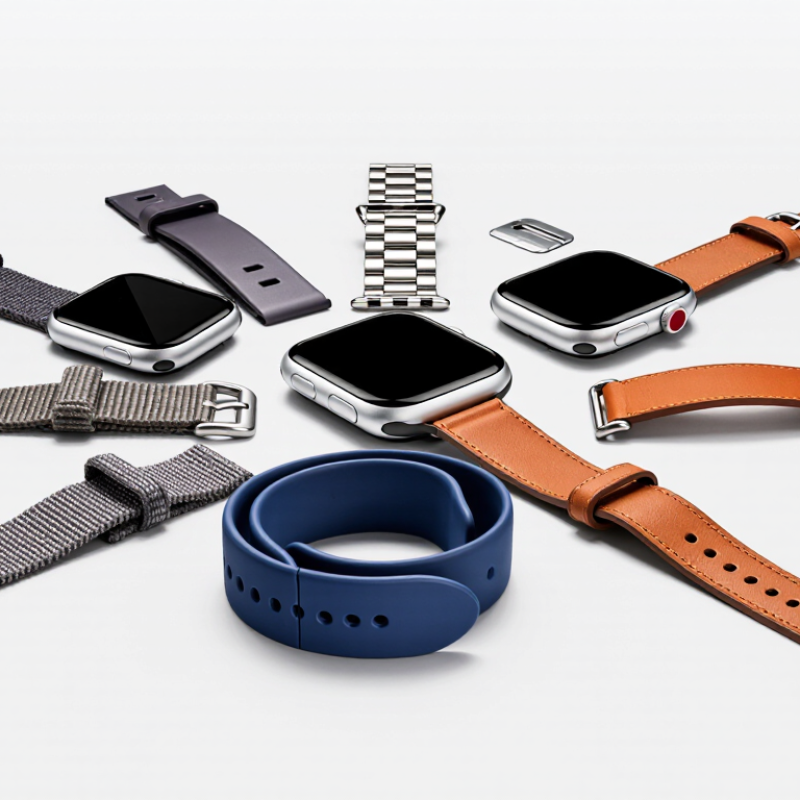
A smart watch band is the strap that holds the watch case against your wrist. It influences comfort, stability, and how easily you can check the screen while moving. Common materials include silicone, woven fabric, leather, and metal. Each feels different against skin and handles sweat, water, and daily wear differently.
Many bands connect to the case with spring bars: small, spring-loaded pins seated between two lugs. A quick-release lever can make these pins easier to retract. Some watches use shaped connectors instead, so a band that looks close may still not fit. Check the lug width in millimeters and the connector design. Width alone can be misleading.
That small detail matters.
To fit a spring-bar band, place one pin end into its lug, compress the other end, and guide it into the opposite lug. Release it, then gently tug the band to check that both ends are seated. With a quick-release design, slide the lever while positioning the pin. Do not force it. A correctly attached band should stay secure without pinching your wrist. Even careful measurements can miss a small fit issue, so comfort is worth checking after a few minutes of wear.

Silicone and fluoroelastomer suit frequent washing and sweaty workouts, but they can feel clammy beneath a cuff in humid weather. Woven nylon feels lighter and lets more air reach the wrist; it may hold sweat and take longer to dry. Textile Exchange’s 2024 Materials Market Report estimates polyester represented 59% of global fiber production in 2023. That scale signals wide availability, not guaranteed comfort or quality. Comfort is personal. Check the weave, edge finish, and buckle: rough seams can matter more than the material label.
Leather softens with wear and looks less sporty, yet repeated water exposure can stain or stiffen it. Metal links handle abrasion well, though they add weight and may pinch wrist hair. For buyers comparing synthetic options, the OECD’s Global Plastics Outlook (2022) estimated that only 9% of plastic waste was recycled in 2019. That is a system-wide figure, not a recycling rate for watch bands. A recycled-fiber claim still deserves scrutiny: ask what the strap contains and whether its clasp and coating can be separated. Small caveat. A breathable band can still irritate skin if it stays damp, so rotating a dry spare may be more useful than choosing by material alone.
2026 Top Smart Watch Bands for Global Buyers
Leading Smart Watch Band Styles for 2026
For global buyers, leading 2026 smart watch band styles will balance comfort, texture, and quick outfit changes. Slim silicone sport bands, woven fabric, and understated metal links should remain practical for work and travel. Soft edges matter. A band can look polished online, then feel hot after a long commute. Fit and skin comfort deserve more attention than color alone.
Grand View Research valued the global smartwatch market at US$33.58 billion in 2023. It forecast 8.3% compound annual growth for 2024–2030. That report tracks watches, not bands, so it signals category momentum rather than proving a specific style will win. Buyers should check connector compatibility, buckle security, and replacement-part availability before ordering. Regional climate matters too: quick-drying fabric suits humid days, while smooth, wipe-clean surfaces handle frequent use. Style forecasts rarely show how every wrist responds.
Tips: Measure the wrist, confirm the connector model, and test the band after an hour of wear. Choose adjustable sizing for varied customers. Keep one plain option. Honestly, no material works for everyone; sensitive skin and clasp preferences can overturn a trend.
Before ordering a replacement band, match the watch’s exact model, case size, and connector style. Similar-looking cases may use different attachment widths. Check the maker’s measurement guide, then compare the band’s stated width in millimeters. A small mismatch can leave a loose connection or prevent the pin from locking. Do not rely on photos alone.
Sizing affects comfort as much as fit. Measure your wrist where the watch normally sits, with a soft tape held snugly, not tight. Check the band’s full size range and where its holes fall; a listed range may still fit awkwardly. IDC’s Worldwide Quarterly Wearable Device Tracker reported 534.6 million wearable-device shipments in 2024, up 6.1% year over year. That broad category includes more than watches, but its scale highlights why clear sizing details matter to global buyers. Material also deserves a practical check: soft silicone may suit sweaty workouts, while woven fabric can feel less clammy in daily wear. Neither is perfect for everyone.
Tips: Leave room for one fingertip beneath the band. Wear it for an hour before committing to all-day use. If the clasp rubs your wrist bone, adjust the fit or try another band shape. I have sometimes focused too much on appearance; comfort becomes obvious only after movement.
Global buyers should compare fit, material, closure, and device compatibility before price. A band can look durable in a catalog yet rub against the wrist after hours of typing or walking. IDC’s Worldwide Quarterly Wearable Device Tracker recorded 534.6 million wearable-device shipments in 2024, up 6.1% year over year. This broad category includes more than smartwatches, so the figure signals scale—not band demand. Counterpoint Research reported that global smartwatch shipments declined 7% in 2024. Changing device cycles make replacement compatibility worth checking carefully.
For daily use, compare the band’s stated width and connector with the watch model, then check the adjustment range. Silicone is easy to wipe after a workout; woven fabric may feel softer but can take longer to dry. Metal links add weight. Small details matter. Check whether the clasp stays secure when your sleeve catches it, and whether replacement parts are available in your market. A size chart is only a starting point; wrist shape and swelling vary.
Tips: Measure your wrist with a paper strip, then leave room for a fingertip under the band. Ask suppliers for material specifications and test samples before placing a large order. A polished product photo cannot reveal skin comfort, clasp feel, or finish quality. That uncertainty is easy to underestimate.