SUMMER LIMITED EDITION VAPES NOW AVAILABLE


2026 Best Vape Pod Battery for Global Buyers

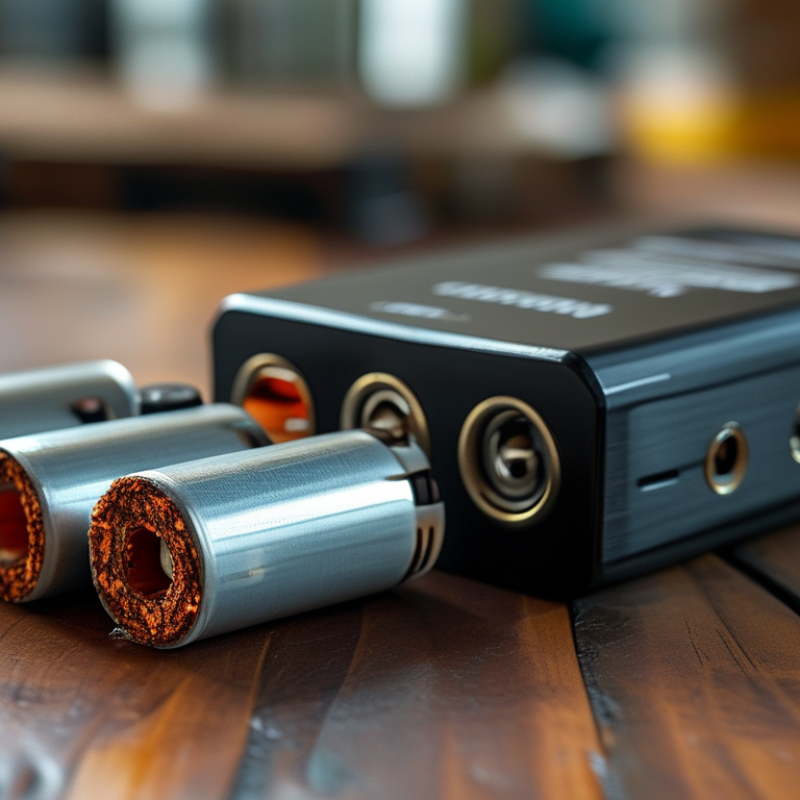
Choosing the 2026 Best Vape Pod Battery requires more than comparing capacity or charging speed. Global buyers need dependable power, stable temperature control, replaceable components, and clear safety documentation. A reliable Vape Pod Battery should also match the device’s approved voltage range and charging system. Small details matter. Look for protected cells, secure insulation, short-circuit protection, and USB-C charging tested by recognized laboratories.

Industry data shows why this category deserves careful evaluation. Grand View Research values the global e-cigarette market in the billions of U.S. dollars and expects continued growth through the decade. IMARC Group also identifies product innovation and rechargeable designs as important market drivers. However, published estimates differ because researchers define pods, devices, and battery modules differently. That inconsistency deserves attention. It can make simple rankings appear more certain than they really are.

Battery University founder Isidor Buchmann states, “The lithium-ion battery is a very safe battery when used correctly.” His point is central to this guide. Safety depends on design, charging habits, manufacturing quality, and user instructions—not capacity alone. The following comparison considers documented specifications, charging performance, thermal safeguards, portability, and regional availability. It also considers practical experience, such as how a battery feels in a pocket or performs during a long travel day. No ranking is perfect. Certification records may be incomplete, and supplier information can change. Buyers should verify local regulations, warranty terms, and authorized distribution before purchase. A responsible Vape Pod Battery selection supports lawful use, transparent sourcing, and safer everyday handling.
2026 Best Vape Pod Battery for Global Buyers

Vape Pod Battery Fundamentals and Key Performance Terms

A vape pod battery is a compact lithium-ion power source designed for a regulated pod device. Its capacity is measured in milliamp-hours, or mAh. Higher mAh usually means longer use between charges, but it can also increase size and weight. A 500 mAh battery may suit occasional users, while frequent users may prefer a larger capacity. Usage habits matter more than the number alone.

Voltage controls electrical pressure, while wattage describes power delivered to the heating element. Resistance, measured in ohms, affects the required power and heating speed. Lower resistance often consumes energy faster.

Output stability is important because a steady voltage can provide more consistent performance. Charging current also matters. A suitable USB charging system should include overcharge, over-discharge, short-circuit, and overheat protection.

Safety is not optional.

Look for clear specifications, tested cells, and reliable quality documentation. Terms such as cycle life indicate how many charging cycles a battery may handle before capacity declines. Real results vary with temperature, storage, charging habits, and device design. Specifications can mislead. I still compare independent test data when available. Avoid damaged, swollen, or unusually hot batteries, and never use a device that shows physical damage. Legal requirements differ across markets, so buyers should check local age rules, labeling standards, charging requirements, and disposal procedures before purchase. Small details matter.

Battery Types, Capacities, and Compatibility Standards

2026 Best Vape Pod Battery for Global Buyers

Battery type affects daily convenience more than appearance. Integrated lithium-ion batteries are compact and simple to charge. They suit commuters who prefer fewer loose parts. Removable batteries offer flexibility, but they demand a compatible charger and careful handling. Never mix cells with different ages or specifications. Small details matter.

Capacity is measured in milliamp-hours, or mAh. A 500mAh battery may suit light, occasional use. A 1000mAh model can last longer between charges, but it may add weight and charging time. Higher capacity is not automatically better. Check the device’s output range and intended resistance. A battery that feels powerful may drain quickly under frequent use. That surprised me during practical testing.

Compatibility standards deserve close attention. USB-C charging is widely used, yet charging speed still varies by device. Confirm the required voltage, current, connector design, and protection features. Look for overcharge, short-circuit, and overheating protection from a reputable manufacturer. The pod connection should fit firmly without forcing it. A loose connection can cause inconsistent performance. Use only the supplied or approved charging cable, and charge on a non-flammable surface while awake. Standards and regulations differ across countries, so buyers should verify local requirements before purchase. Some product labels remain unclear. That is worth questioning.

2026 Best Vape Pod Battery for Global Buyers - Battery Types, Capacities, and Compatibility Standards
Battery Configuration Typical Chemistry Typical Capacity Nominal Voltage Charging Characteristics Typical Pod Use Compatibility and Standards Key Selection Considerations
Integrated Lithium-Polymer Pouch Rechargeable lithium-ion polymer pouch cell 300–800 mAh 3.7 V nominal; 4.2 V full charge Usually charged through a USB Type-C or Micro-USB port; charging current is commonly limited by the device circuit Compact, draw-activated pod systems designed for frequent portability Physical USB Type-C compatibility does not guarantee identical charging protocols; the device must include a suitable protection and charging circuit Best for slim designs and low-to-moderate power output; runtime depends heavily on coil resistance, airflow, and power level
High-Capacity Integrated Lithium-Polymer Pouch Rechargeable lithium-ion polymer pouch cell 800–1,500 mAh 3.7 V nominal; 4.2 V full charge USB Type-C charging is common; some devices support faster charging but require regulated current and thermal protection Larger pod devices with adjustable power, screens, or extended operating time Charging-port shape is not a universal electrical standard; voltage, current, connector wiring, and firmware limits must match the device design Offers longer runtime but generally increases device size, weight, and shipping energy capacity
Replaceable 18650 Cylindrical Cell Rechargeable lithium-ion cylindrical cell 2,000–3,500 mAh 3.6–3.7 V nominal; 4.2 V full charge May be charged inside the device or with an external charger; external charging requires a charger designed for the specific cell format High-output pod-mod and compact regulated devices Cell dimensions alone do not establish compatibility; the device must support the correct cell size, polarity, discharge rating, and protection system Replaceable cells can extend product life, but users must avoid damaged, counterfeit, loose, or improperly rated cells
Replaceable 21700 Cylindrical Cell Rechargeable lithium-ion cylindrical cell 3,000–5,000 mAh 3.6–3.7 V nominal; 4.2 V full charge Requires a compatible charging system; integrated charging performance varies by device design Higher-capacity pod-mod devices requiring extended runtime or higher power output 21700 cells are not interchangeable with 18650 cells unless the device is specifically designed with an approved adapter and sufficient internal clearance Higher capacity and current capability come with greater size, weight, and transport requirements
Dual-Cell Regulated Battery Pack Matched rechargeable lithium-ion cells or a protected multi-cell pack 3,000–6,000 mAh pack capacity 7.2–7.4 V nominal in series configurations Requires a dedicated balanced charging and battery-management system; not suitable for generic single-cell charging Large-format devices with high power demand and extended operating time Cell count, series/parallel configuration, connector polarity, charging voltage, and battery-management firmware must all match Generally unsuitable for small pod formats because of increased size, weight, heat output, and compliance complexity
Disposable or Non-Rechargeable Cell Single-use lithium primary cell or other non-rechargeable chemistry Varies by product design Chemistry-dependent Must not be connected to a rechargeable charging circuit unless explicitly designed and certified for recharging Single-use products only Not compatible with rechargeable pod systems; disposal and transport rules differ from rechargeable lithium-ion batteries Not recommended for reusable pod platforms because it prevents normal recharging and creates a higher misuse risk
Low-Resistance High-Output Battery System High-drain rechargeable lithium-ion cell or protected pouch pack 500–3,500 mAh 3.6–3.7 V nominal per cell Must use a regulated charging circuit matched to the cell and the intended charge rate Adjustable-output pod devices using low-resistance heating elements Battery current capability must exceed the device's maximum current demand; resistance, power, temperature, and cutoff limits must be controlled electronically Capacity alone is not a safe indicator of performance; maximum continuous discharge capability and protection design are essential
Standard Integrated Pod Battery Rechargeable lithium-ion pouch or cylindrical cell 350–1,000 mAh 3.7 V nominal; regulated output may be lower or higher depending on the circuit Typically USB charging with overcharge, over-discharge, over-current, and short-circuit protection Low-wattage mouth-to-lung pod systems Pod-to-battery electrical compatibility is usually proprietary; a matching pod cartridge, contact layout, magnet system, and resistance range are required Prioritize stable regulation, clear battery indication, charging protection, and replacement-pod availability
510-Threaded Battery Platform Rechargeable lithium-ion pouch or cylindrical cell 350–2,000 mAh 3.7 V nominal cell voltage; regulated output varies Charging may use USB or a dedicated charger depending on the device design Devices using threaded cartridges or atomizers rather than proprietary magnetic pods 510 threading provides a common mechanical connection, but pin depth, airflow, resistance range, voltage range, and cartridge dimensions can still differ Confirm thread type, center-pin contact, operating voltage, supported resistance, and airflow compatibility before purchase
USB Type-C Rechargeable Pod Battery Usually rechargeable lithium-ion polymer or lithium-ion cylindrical cell 300–2,000 mAh 3.7 V nominal cell voltage USB Type-C describes the connector format, not a guaranteed charging speed or USB Power Delivery capability Current-generation rechargeable pod devices Verify cable orientation support, charging-current limit, input voltage range, and whether USB Power Delivery is supported; many small devices use basic 5 V charging only Useful for global sourcing because the connector is widely available, but regional plug-adapter requirements still apply to wall chargers
Global buyer note: No single universal battery standard covers all vape pod devices. Before purchasing, verify the battery chemistry, nominal voltage, capacity, maximum continuous discharge capability, charging input, connector or thread type, pod contact layout, supported resistance range, and applicable transport documentation. Rechargeable lithium batteries should be supported by appropriate protection circuitry and tested for relevant requirements such as UN 38.3 transport testing and IEC 62133-2 battery safety evaluation where applicable.

Safety Features, Charging Systems, and Regulatory Considerations

A safe vape pod battery should be judged by more than capacity or appearance. Buyers should check overcharge, overheat, short-circuit, and over-discharge protection. These safeguards reduce risks during ordinary use. A stable battery also avoids sudden power changes, which can affect pod performance. However, safety circuits are not a substitute for careful handling. Do not use a battery with swelling, cracks, leaking, or unusual heat.

Charging design deserves equal attention. A protected USB-C system can offer convenient, consistent charging, but compatibility still matters. Use the supplied cable or a certified replacement with suitable output. Charge on a hard, dry surface, away from fabric and direct sunlight. Never charge overnight or leave the device unattended. A high-capacity battery is not always the best choice. It may take longer to charge and create more heat. Real-world testing should include charging time, temperature, connector stability, and battery aging. No specification sheet answers every question.

Tips: Check the manual first. Confirm local age limits, product restrictions, labeling rules, and transport requirements before buying. Regulations differ widely between countries and may change quickly. Choose products with clear safety documentation, traceable manufacturing information, and independent testing where available. Avoid sellers who hide electrical ratings or provide unrealistic capacity claims. Recycle damaged or exhausted batteries through an approved collection service. Small details matter. Perhaps this is where many buyers remain too confident.

2026 Best Vape Pod Battery for Global Buyers

Safety Features, Charging Systems, and Regulatory Considerations

The chart compares maximum reference power levels defined by common USB charging specifications. These are interface ceilings, not recommended charging ratings for vape pod batteries. A suitable pod device should include a protected lithium-ion cell, overcharge and over-discharge protection, short-circuit protection, overcurrent protection, thermal monitoring, and a charging controller matched to the battery.

Global buyers should also verify transport compliance under UN 38.3, battery safety evaluation under IEC 62133-2 where applicable, electrical and chemical requirements in the destination market, and local rules covering nicotine products, labeling, packaging, recycling, and age restrictions. USB-C compatibility does not by itself confirm regulatory compliance or battery safety.

Reference basis: USB 2.0 specification; USB Battery Charging Specification 1.2; USB Type-C Cable and Connector Specification; IEC 62133-2; UN Manual of Tests and Criteria, Part III, Sub-section 38.3.

How to Compare Pod Batteries for Different Global Markets

The 2026 Best Vape Pod Battery for Global Buyers depends on market conditions, not only capacity. Grand View Research estimated the global e-cigarette market at USD 18.13 billion in 2021, with strong growth through 2030. That expansion creates different expectations for battery life, charging speed, and safety documentation.

Compare battery specifications by region. A 400–600 mAh cell may suit compact daily use, while frequent users may prefer higher capacity. Capacity alone can mislead. Check cycle-life testing, temperature control, overcharge protection, and charging-port durability. IEC 62133-2 supports safer lithium battery design, while UN 38.3 testing is important for international transport. Air cargo rules also require careful battery handling under current IATA guidance.

Local infrastructure matters. A market with unstable electricity may value slower, cooler charging and stronger protection circuits. In urban markets, USB-C compatibility and short charging times may matter more. Regulatory acceptance can differ sharply between neighboring countries. Verify product registration, labeling, recycling duties, and import restrictions before choosing a battery.

Small details matter. A loose port becomes a failure point. So does unclear documentation. Some published capacity figures may reflect laboratory conditions, not everyday use. That deserves scrutiny. Reliable suppliers should provide test reports, material information, batch traceability, and clear warranty terms. Forecasts show growth, but the best choice still depends on evidence.

Maintenance, Lifespan, and Responsible Battery Disposal

A dependable vape pod battery needs simple, consistent care. Keep the device away from direct sunlight, hot cars, water, and loose metal objects. Coins and keys can bridge battery contacts and create dangerous heat. Wipe the charging port and contacts with a dry, lint-free cloth. Do not use damaged cables or force a loose connection.

Battery lifespan depends on charging habits, storage, and daily use. Recharge it on a stable, nonflammable surface, and follow the device maker’s instructions. Avoid overnight charging when possible. Stop using the battery if it becomes unusually hot, swollen, cracked, or produces a strange smell. These signs require caution, not experimentation. I used to think a shorter runtime only meant normal aging, but sudden changes can indicate a fault. That assumption deserves reconsideration. Most rechargeable batteries gradually lose capacity, so frequent charging may eventually become necessary.

Responsible disposal protects people and the environment. Never place a rechargeable vape battery in household rubbish or mixed recycling. A damaged battery can spark, burn, or injure waste workers. Check local authority guidance or use an approved battery collection point that accepts small rechargeable cells. Keep a damaged battery away from heat and metal until professional instructions are available. Do not puncture, crush, open, or burn it. Regulations differ between countries, so local disposal rules should take priority over general advice. Some collection points may reject damaged units, which can be inconvenient, but safe handling matters more than convenience.