SUMMER LIMITED EDITION VAPES NOW AVAILABLE

Choosing a Film Cutting Machine in 2026 means matching equipment to real production needs, not chasing the fastest speed on a brochure. Global buyers may process packaging film, labels, protective sheets, or other flexible materials. Each job brings different demands. A narrow roll for short runs behaves differently from a wide roll running through a busy shift. Small details matter: cut tolerance, blade life, web tension, changeover time, and the space beside the production line. A clean edge is useful. Consistent edges across a full roll are better.
This guide explains how to compare machine types, working widths, control systems, and practical operating costs. It also considers installation, operator training, spare parts, and after-sales support across regions. Ask suppliers for specifications that match your actual material and sample cuts, rather than relying on general claims. Request clear details about throughput conditions, because speed can change with film thickness and job setup. That sounds simple. It rarely is. A machine that looks suitable may still need frequent adjustments, or its software may not fit the buyer’s workflow. Those are easy points to overlook.
No single model is best for every factory. The right Film Cutting Machine should deliver repeatable results, fit the intended workload, and remain supportable after delivery. Buyers should check assumptions, compare evidence, and leave room for a test run. That is not hesitation. It is sound purchasing practice.
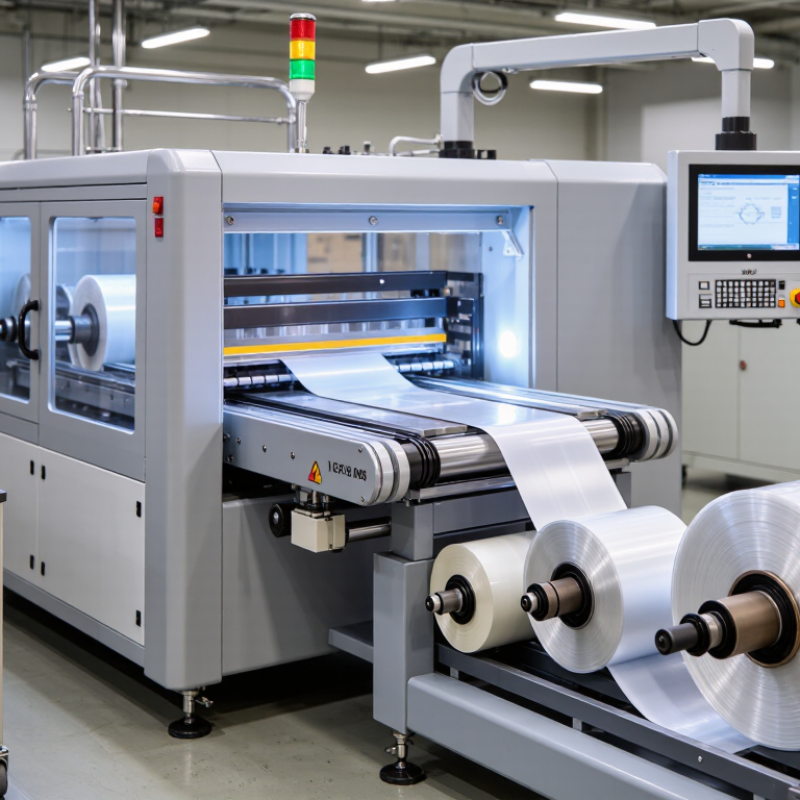
A film cutting machine converts flexible film into defined shapes or lengths. It may process packaging film, protective sheets, or other thin materials, depending on its design. It sounds simple. Yet film can stretch, wrinkle, or cling from static during feeding. These small changes affect edge quality and final dimensions.
A typical system begins with a digital pattern or measured cutting plan. Feed rollers move the film across a flat bed, while guides help keep it aligned. Some machines use a moving blade; others use a compatible cutting method suited to the material. Sensors may read registration marks so cuts follow printed designs. The operator sets feed speed, cutting depth, and tension, then checks a sample before production. Too much blade pressure can mark the backing, while too little may leave fibers or an incomplete cut. Results also vary with film thickness and surface finish. A test run is not wasted time; it can reveal a setup problem early. In real workshops, settings often need adjustment, even when the material specification looks precise on paper.

Roll slitter-rewinders cut wide rolls into narrower rolls for packaging films, protective laminates, and agricultural covers. Rotary blades suit many routine jobs, while razor blades can make clean cuts in suitable thin films. Operators adjust blade spacing and tension to limit wrinkles and uneven edges. Details matter. If tension is too high, soft film may stretch before winding.
Flatbed digital cutters use a knife and programmed tool paths to cut sheets or short-run film parts. They work well for prototypes, labels, display graphics, and custom gaskets, especially when frequent design changes make fixed tooling impractical. For long production runs, rotary die cutters can be faster and more consistent. Their fixed dies suit repeated shapes in adhesive films, tapes, and packaging components. Test first. A sharp-looking sample does not always predict performance across a full roll.
Laser cutters can produce intricate outlines in some films, but heat may melt edges or affect sensitive coatings. Material tests are essential before choosing this method. Machine categories overlap, and the best choice is not always obvious. Buyers should compare film width, thickness, adhesive behavior, cut tolerance, production volume, and waste handling. I would not select by speed alone; a fast machine with unstable web tension can create more scrap than it saves.
2026 Best Film Cutting Machine for Global Buyers
Key Features That Shape Cutting Accuracy and Productivity
Cutting accuracy begins with a stable film path. Check whether the feed rollers hold the material evenly without stretching or wrinkling it. A small shift at the roller can become a visible error across a long sheet. For kiss cutting, blade depth should cut the film while leaving its liner intact. Settings need adjustment when film thickness or adhesive changes.
Small details matter. A sharp blade helps, but it cannot correct poor alignment. Registration sensors can follow printed marks, while calibration checks whether the cut matches the design. Run a short test on the actual material before full production. One clean sample is useful, but it does not prove that settings will stay accurate through an entire roll.
Productivity depends on more than maximum cutting speed. Smooth acceleration, reliable material loading, and quick job changes can reduce pauses between batches. Look for clear controls and repeatable saved settings; operators should be able to verify them without guesswork. Dust and static may affect film handling, so consider the work area as well as the machine. It is tempting to compare machines by speed alone. That is an incomplete measure. A slower, consistent cut may waste less material than a fast run with frequent corrections.
2026 Best Film Cutting Machine for Global Buyers
How to Match Machine Specifications to Film Materials
Choosing a film cutting machine starts with the material, not the headline speed. PE stretch film is elastic and can wrinkle when tension is too high. BOPP often needs steady web control for clean, even edges. PET may require a suitable blade and stable unwinding to limit edge defects. Check the film’s width, thickness, roll diameter, and core size against the machine’s working range. Small details matter. A roll that fits the shaft may still exceed the safe load.
Match tension control and cutting method to the film’s behavior. Thin films can stretch or tear under uneven pressure, while thicker structures may need a more rigid setup. Ask whether the machine supports the required slit width, blade arrangement, and winding tension. Static control can also help when lightweight film clings to rollers or attracts dust. Test with your own material before purchase. Watch the edges, roll hardness, and waste during a short run. A neat datasheet can still mislead. Specifications rarely capture every production quirk, and even a careful trial may not reflect a full shift. That uncertainty deserves attention.
How to Match Machine Specifications to Film Materials
Typical commercial thickness ranges vary by grade and application. Use the material’s actual specification to confirm the machine’s supported thickness, web tension control, and cutting method before purchase.
For global buyers, a film cutting machine should be evaluated against local operating conditions, not just its cutting speed. Check whether its electrical specifications, safety guards, and operating documents match the requirements in the destination market. Requirements can vary by country and application, so confirm details with qualified local advisers before ordering. Keep written records.
Support matters once the machine is on your floor. Ask how quickly technicians respond across time zones, which spare parts are stocked, and whether setup or operator training is included. A short test using your own film can reveal issues with static, curling, or edge quality that a brochure may not show. Details count.
Total cost includes more than the purchase price. Add shipping, installation, tooling, blade changes, expected material waste, energy use, and possible downtime. Request a clear breakdown and compare the same items across suppliers. A spreadsheet can make the decision look cleaner than it is: film batches vary, and maintenance estimates are not guarantees. Leave room in the budget for adjustments after real production begins.